
Commercial Roofing Contractors Nanticoke, PA
Commercial Roofers in Nanticoke
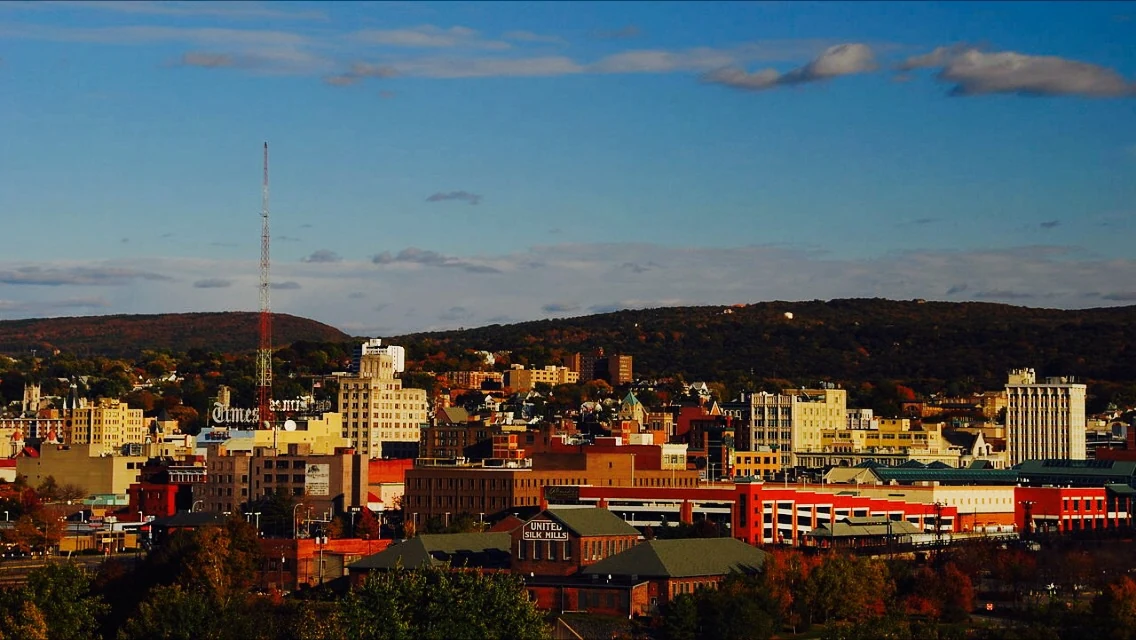
Commercial roofers serving Nanticoke should document leak sources, wet insulation, drainage, edge details, penetrations, and repair history before recommending a scope. Nanticoke grew up as a mining and mill town along the Susquehanna, and that history is still visible in the building stock - older brick commercial buildings downtown, mixed with newer institutional facilities like the Luzerne County Community College campus. Roof work here has to account for both the age of the older buildings and the operating schedule of the campus facilities that anchor a lot of the borough's commercial activity now.
Ground Conditions Nobody Else Asks About
Nanticoke sits over a legacy of deep anthracite mining, and known mine subsidence has affected buildings and infrastructure in this area over the decades. That's not something a roofing contractor solves, but it's something we account for when we're assessing an older building - cracking or settling in a roof deck or parapet that looks like ordinary age-related deterioration can sometimes trace back to ground movement rather than roof failure alone. We flag that distinction honestly rather than treating every structural crack as a simple membrane problem, because the fix is different depending on the cause.
Campus Facilities Run on a Class Schedule
Working around an active college campus means working around class changes, exam periods, and events, rather than a standard nine-to-five office schedule. Noise from tear-off or deck repair during a class in session can genuinely disrupt instruction, not merely annoy people nearby. We build our schedule around the academic calendar for campus-adjacent work, concentrating disruptive phases during breaks or low-occupancy hours whenever the timeline allows it.
Larger institutional roofs also tend to have more complex mechanical penetrations - rooftop HVAC serving multiple zones, exhaust for labs or specialized rooms - which means more coordination with facilities staff to make sure nothing gets shut down or disrupted that shouldn't be.
Downtown Brick Buildings and Their Roof History
Nanticoke's downtown commercial buildings share the same pattern we see across the old mining boroughs of this valley - original construction from the early twentieth century, multiple recover layers added over the decades, and parapet and flashing details that have been patched piecemeal rather than addressed as a system. We start every one of these jobs with a test cut to understand exactly what's stacked on the deck before quoting anything.
- Assessment that distinguishes ground-settlement cracking from membrane failure
- Scheduling around academic calendars for campus-adjacent buildings
- Test cuts on older downtown brick buildings before quoting repair scope
- Coordination with facilities staff on institutional mechanical penetrations
- Drainage checks on flat mill-era roofs along the Susquehanna floodplain
River Proximity and Drainage
Like the other boroughs strung along the Susquehanna in this valley, Nanticoke's low-lying commercial buildings need drainage systems that can handle real rainfall volume, rather than only the historical averages the original systems were designed for decades ago. We check scupper and drain capacity on every assessment here, particularly for flat mill-building roofs that were never designed with modern stormwater intensity in mind.
Freeze-thaw cycling adds to the wear on these older systems every winter, and small seam or flashing gaps that seem minor in October can become active leaks by February if they're not addressed ahead of the cold.
Maintenance for Buildings With a Mixed-Use Future
A number of Nanticoke's older mill and downtown buildings have been repurposed for new commercial uses over the years, and the roof doesn't always get reassessed when the use changes. A building converted from light manufacturing to office or retail space needs its roof re-evaluated for the new load and penetration pattern, rather than left as-is simply because it wasn't leaking the day the lease changed hands.
New HVAC equipment, sprinkler penetrations, or accessibility additions that come with a change of use often add roof penetrations that weren't part of the original design, and each one is a potential leak point if it wasn't flashed correctly. We walk every conversion project's roof specifically for these add-ons rather than assuming the original installation covers what's there now.
A Straightforward Maintenance Plan for a Mixed Building Stock
Between the campus buildings, the downtown brick storefronts, and the converted mill space, Nanticoke doesn't have one dominant building type the way some boroughs do. That means we don't run a one-size maintenance checklist across every client here. A standing inspection program gets tailored to what's actually on the roof - mechanical load and academic scheduling for campus buildings, layered-repair history for downtown brick, and use-change penetration checks for converted mill space.
Frequently Asked Questions
Could ground settlement from old mining be affecting our roof?
It's possible on older buildings in this area, and we look for that distinction specifically - cracking that traces to ground movement needs a different response than typical membrane aging. We won't guess; we assess and tell you honestly what we're seeing.
Can you schedule roof work around our campus's class schedule?
Yes. We plan disruptive work around breaks and low-occupancy periods whenever the project timeline allows, and coordinate directly with facilities staff on institutional buildings.
Our downtown building has several roof layers already - what's the right approach?
We open a test cut to see exactly what's there before recommending a recover, partial tear-off, or full replacement. Guessing on a multi-layer roof leads to bad estimates.
Does Nanticoke's location on the river affect roof drainage needs?
Yes - we check drain and scupper capacity closely on low-lying buildings here, since older systems weren't built for today's heavier rainfall events.
Our building changed use from industrial to office space - does the roof need a new look?
Yes, we'd recommend a full reassessment. Load and penetration patterns change with building use, and a roof that was fine for the old use isn't automatically fine for the new one.
Ready to review the roof scope?
Request a Roof AssessmentRelated Commercial Roofing