Distribution Center Roofing in Scranton, PA
Roofing the Mega-Boxes Along I-81 Without Slowing the Belt
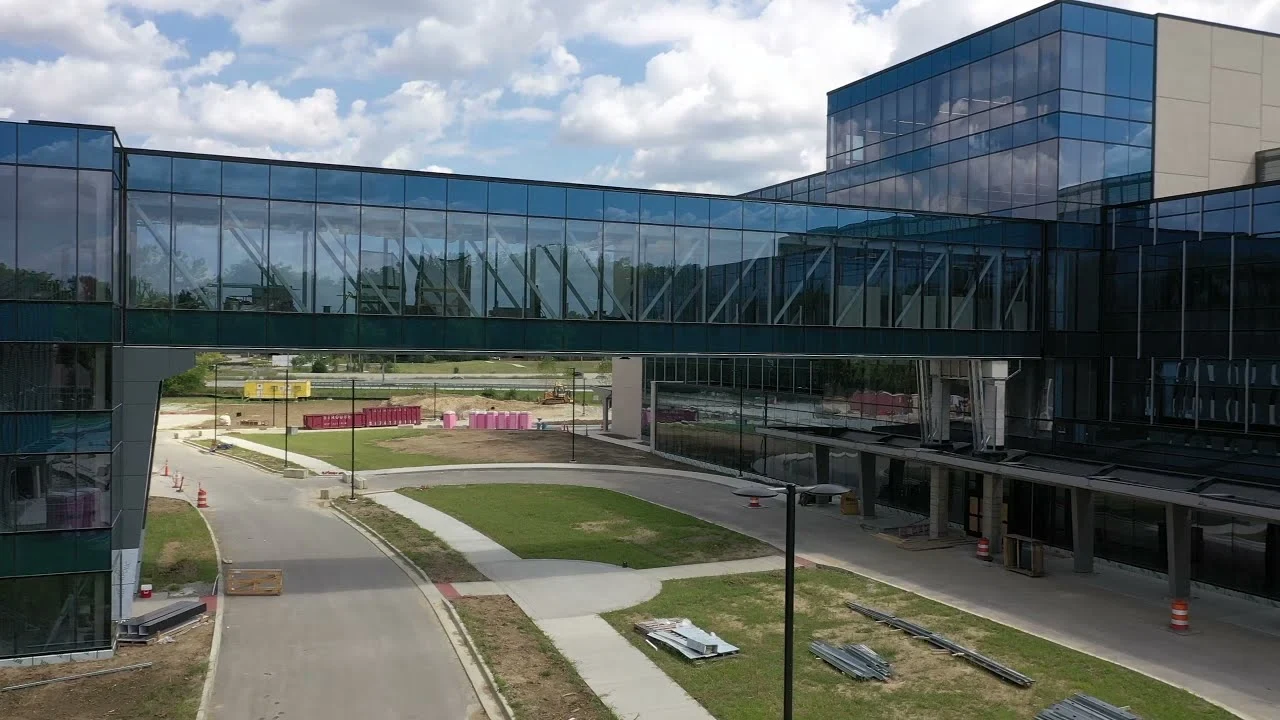
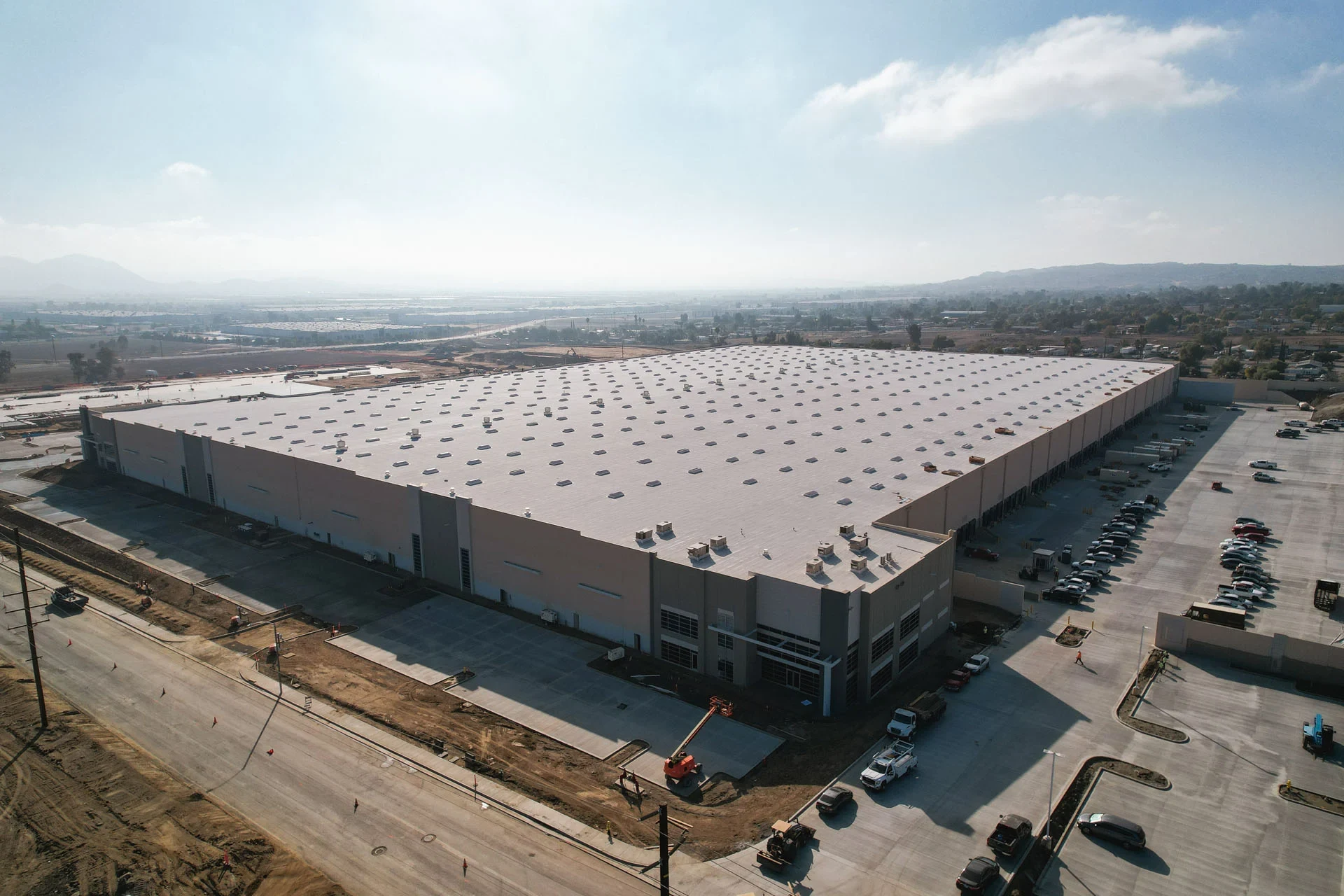
CenterPoint Commerce and Trade Park spans Pittston Township and Jenkins Township with buildings that measure their roofs in acres, not squares. Humboldt Industrial Park in Hazleton and Crestwood Industrial Park in Mountain Top carry the same scale, and Amazon and Chewy have both put fulfillment operations into this corridor because I-81 puts them within a day's drive of most of the Northeast. A roof project on one of these buildings is a logistics problem before it's a roofing problem.
The Scale Question: CenterPoint, Humboldt, and Crestwood
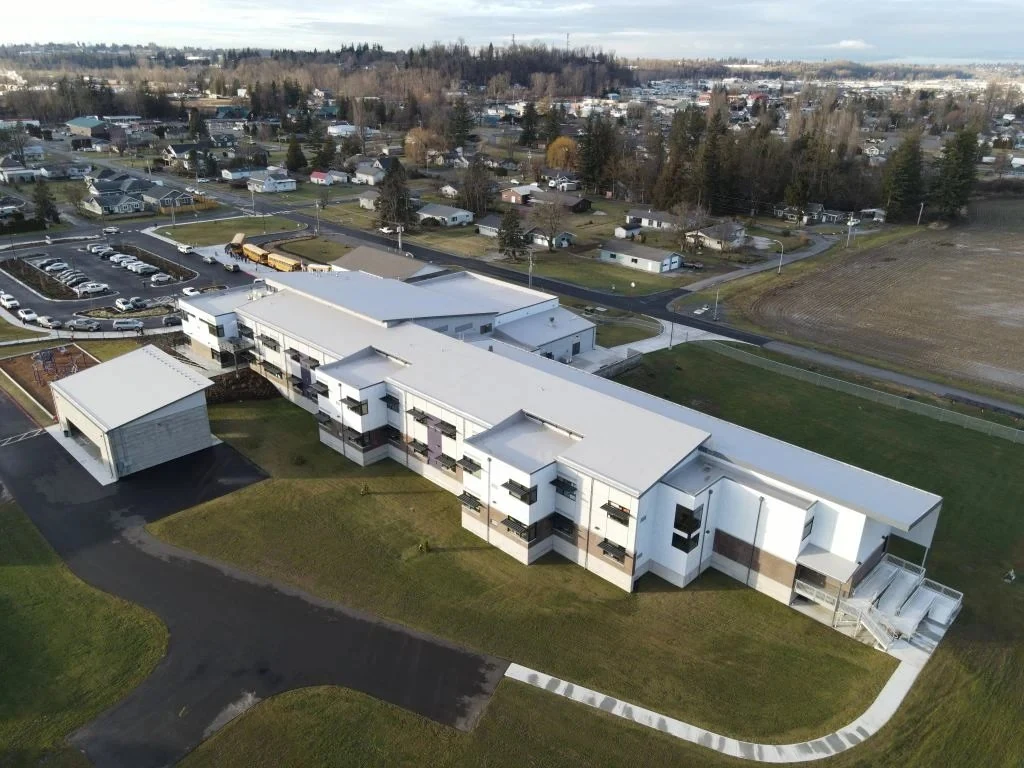
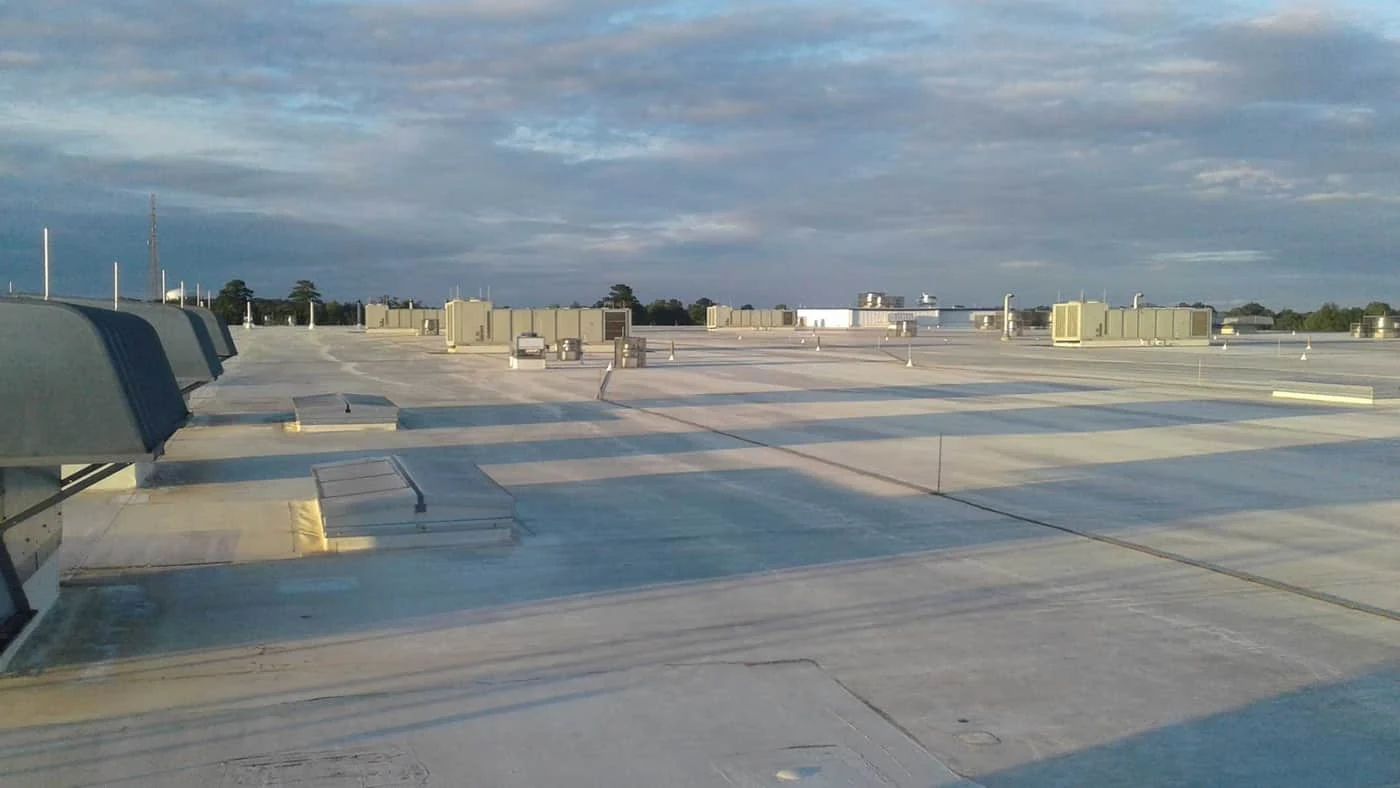
A distribution roof in this valley is rarely under ten acres, and some of the newer builds at CenterPoint push well past that. At that scale, a single roof can carry a dozen or more rooftop units, multiple skylight fields, and drainage runs that need to move water off a flat plane the size of several city blocks. We plan these jobs in zones rather than treating the roof as one continuous field, because a mistake in sequencing on a building this size costs days, not hours.
Humboldt's buildings tend to run older than CenterPoint's newer construction, which means a wider mix of membrane generations under one roof deck where additions have been tacked on over the years. Crestwood sits up on the mountain and takes wind loading that the valley floor buildings don't see in the same way, so uplift resistance gets more attention there than it might at a sheltered site closer to the river.
Dock Door Sequencing on a Roof That Never Closes
Amazon and Chewy both run multi-shift operations, and a fulfillment center doesn't have a slow season where a roof crew can take over the whole building for a week. We break these roofs into sections tied to dock door zones below, so the loading crew never loses more than a handful of doors to material staging or crane access at any one time.
Coordinating with the operations manager on shift changes matters more here than on almost any other building type we work on. A facility running three shifts has a narrower quiet window than a single-shift plant, and we build the schedule around when trailers are actually backed into the doors rather than around standard daylight hours.
Lake-Effect Snow Loads on Wide, Flat Roofs
Snow that would shed easily off a pitched residential roof sits and drifts on these wide flat expanses, piling against parapet walls, rooftop units, and screen walls until it's several feet deep in spots even when the ground measurement looks modest. Drainage capacity gets tested hardest in the thaw-refreeze cycles this valley runs through most winters, when partial melt refreezes around drains and scuppers and blocks the exact pathways the roof needs clear.
We check scupper and drain capacity against actual roof square footage rather than assuming a system sized decades ago still matches current rooftop equipment loads, since added HVAC units and solar racking change how water moves across a field that large.
- Amazon and Chewy-scale fulfillment centers
- Regional distribution hubs serving the I-81 and I-80 corridors
- Cross-dock and transload facilities
- Third-party logistics warehouses with rotating tenants
- Cold-chain distribution buildings with refrigerated dock space
- Parcel and last-mile sortation centers
Wide-Sheet Membrane Choices for Big-Footprint Roofs
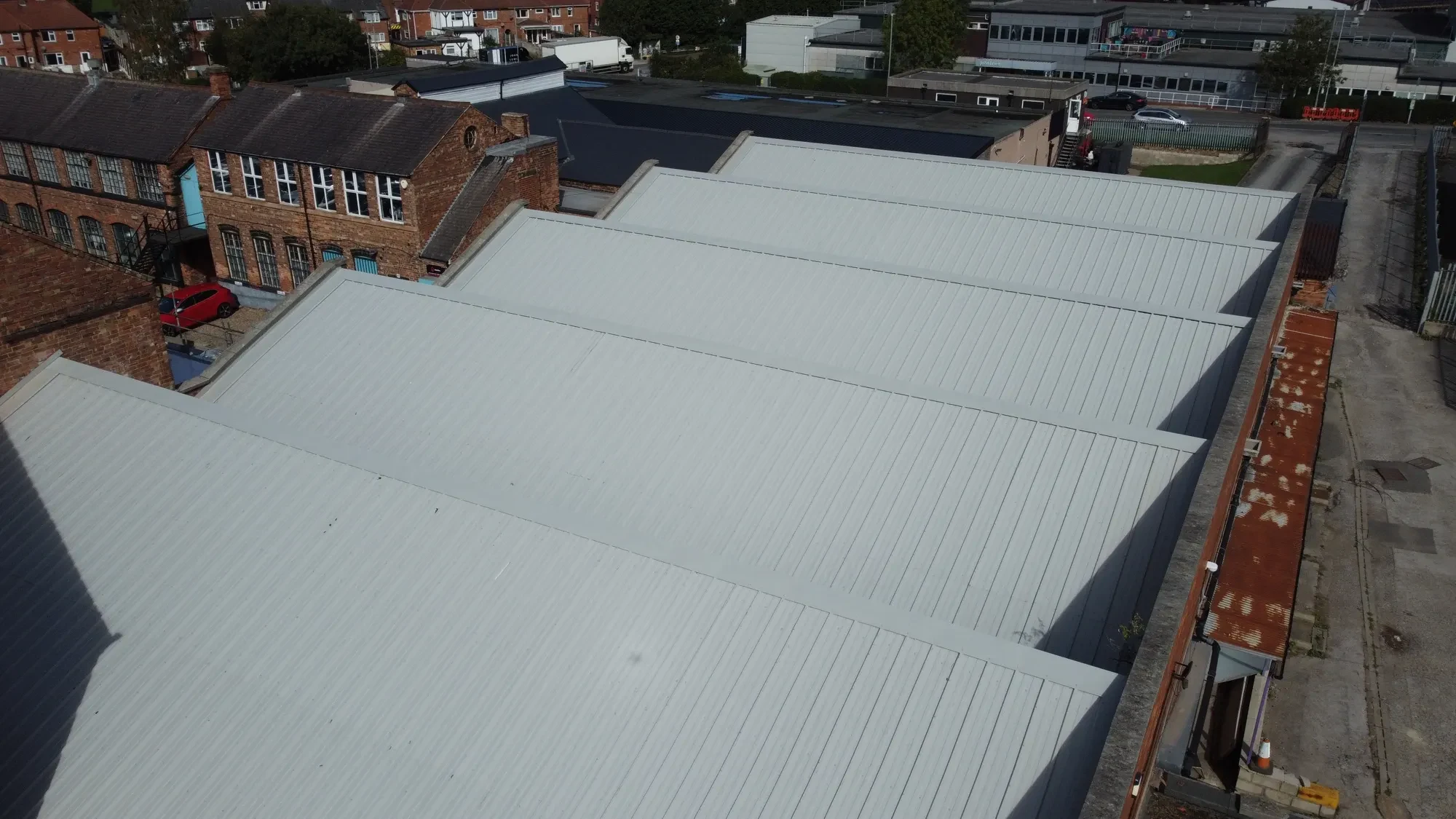
Fewer field seams matter more on a ten-acre roof than they do on a small strip retail building, which is why we lean toward wide-sheet TPO and PVC on these jobs rather than narrower rolls that multiply seam length across a footprint this size. Mechanically attached systems handle the wind exposure at sites like Crestwood well, while fully adhered systems make more sense on some of the sheltered valley-floor buildings where uplift is a smaller factor than foot traffic from rooftop equipment servicing.
Rooftop solar arrays are showing up more on newer distribution buildings in this market, and we plan penetration layout and racking attachment before membrane installation rather than cutting into a finished roof later, since retrofitting solar mounts into an already-sealed field creates more leak points than doing it right the first time.
Storm Response When the Building Can't Wait for Monday
A fulfillment center doesn't stop shipping because a storm rolled through, and product sitting under a compromised roof section during peak season carries real cost beyond the roof itself. We keep tarping materials staged for the distribution accounts we service regularly, since a same-day response to a wind-torn membrane section matters more here than at a building that can simply wait for a normal repair window.
We also flag when storm damage points to an installation or design issue likely to show up again at a sister facility, since operators running multiple buildings along this corridor benefit from knowing a pattern before it repeats at the next site.
Questions Distribution and Fulfillment Operators Ask Us
Can you work without shutting down dock doors?
Yes, we section the roof against your active dock zones and never take more doors offline than necessary at one time.
How do you handle snow drift around rooftop equipment?
We check drain and scupper capacity against your actual equipment layout, since added units change how snow piles and melts across the field.
Do you plan for future rooftop solar?
We can lay out penetration and racking points before membrane installation so a later solar project doesn't mean cutting into a finished roof.
What's your response time during peak shipping season?
We prioritize emergency tarp and dry-in response for active fulfillment accounts, since downtime during peak carries a direct shipping cost.
Can you service multiple buildings for the same operator?
Yes, and we report condition facility by facility so a capital plan across several buildings reflects each roof's actual age and history.
Ready to review the roof scope?
Request a Roof AssessmentRelated Commercial Roofing