Commercial Roof Insurance Claim Assistance in Scranton, PA
Commercial Roof Insurance Claim Assistance in Scranton, PA
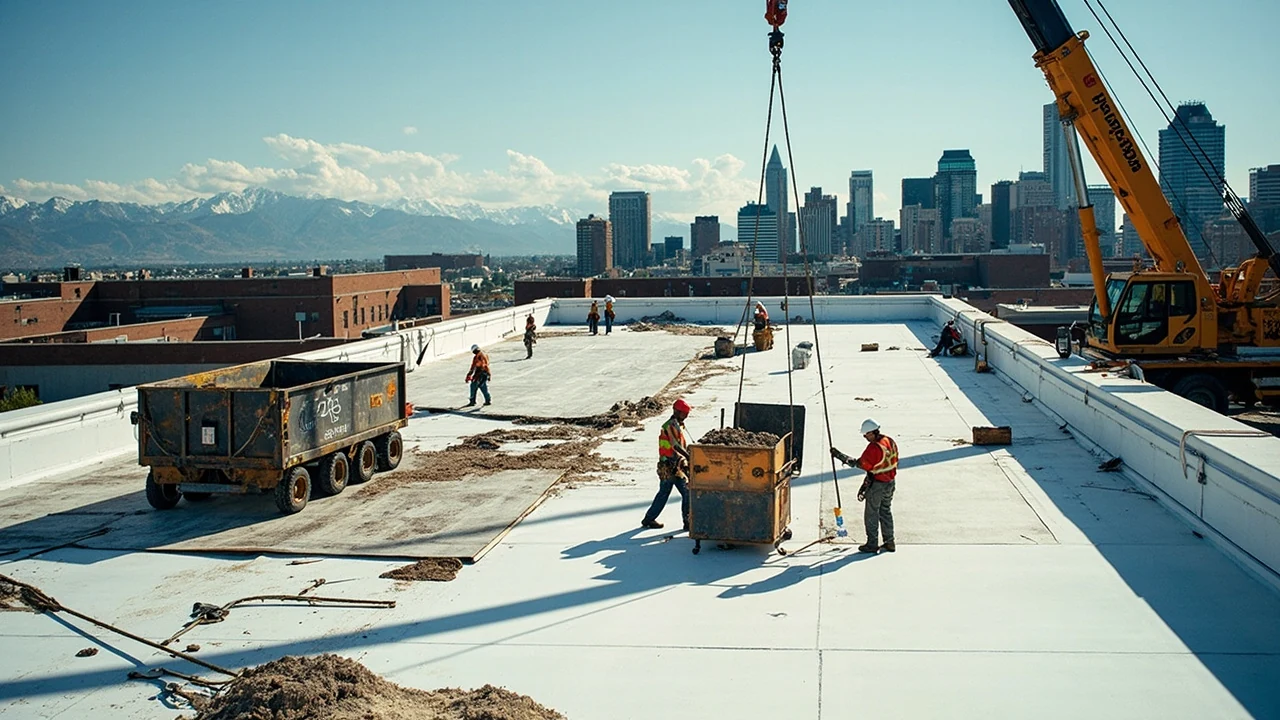
Downtown Scranton's brick and stone commercial stock predates most of the insurance forms adjusters use today, and the warehouse space that has gone up along I-81 and I-380 over the past decade covers acreage that same paperwork was never really built for. Both generate roof claims, just very different ones. We work both sides of that gap as a roofing contractor, not a public adjuster: we inspect, document, and produce a scope an adjuster can act on, so the claim reflects what actually happened to the roof.
What a Legitimate Roof Claim Actually Requires
A claim holds up when three things are clear: the damage has a cause tied to a specific date or event, the pattern of that damage is distinguishable from ordinary wear already present on the roof, and the record was made before repair work or further weather disturbed the evidence. Miss any one of those and even real damage can get questioned.
We treat every claim call the same way regardless of building size, whether it is a two-story office off Wyoming Avenue downtown or several hundred thousand square feet of membrane on a distribution roof near Jessup. The process does not change; only the scale of the documentation does.
Building the Record From the First Walk
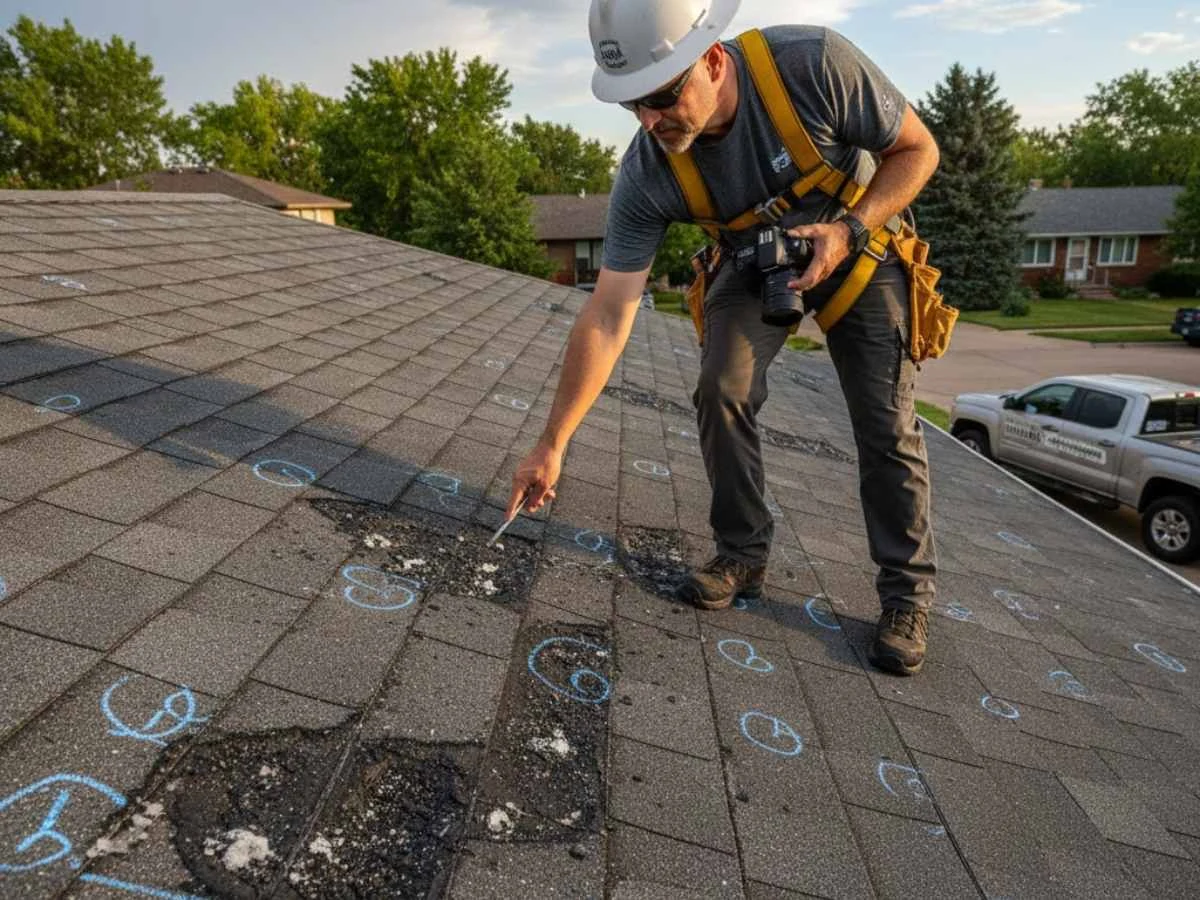
The first roof walk after a loss is the priority visit, ahead of quoting any repair. We photograph each damaged area against a location on the roof plan, take moisture readings where water intrusion under the membrane is suspected, and measure the extent of the damage rather than describing it in general terms. Where snow load or standing water is part of the picture, we note depth and location specifically.
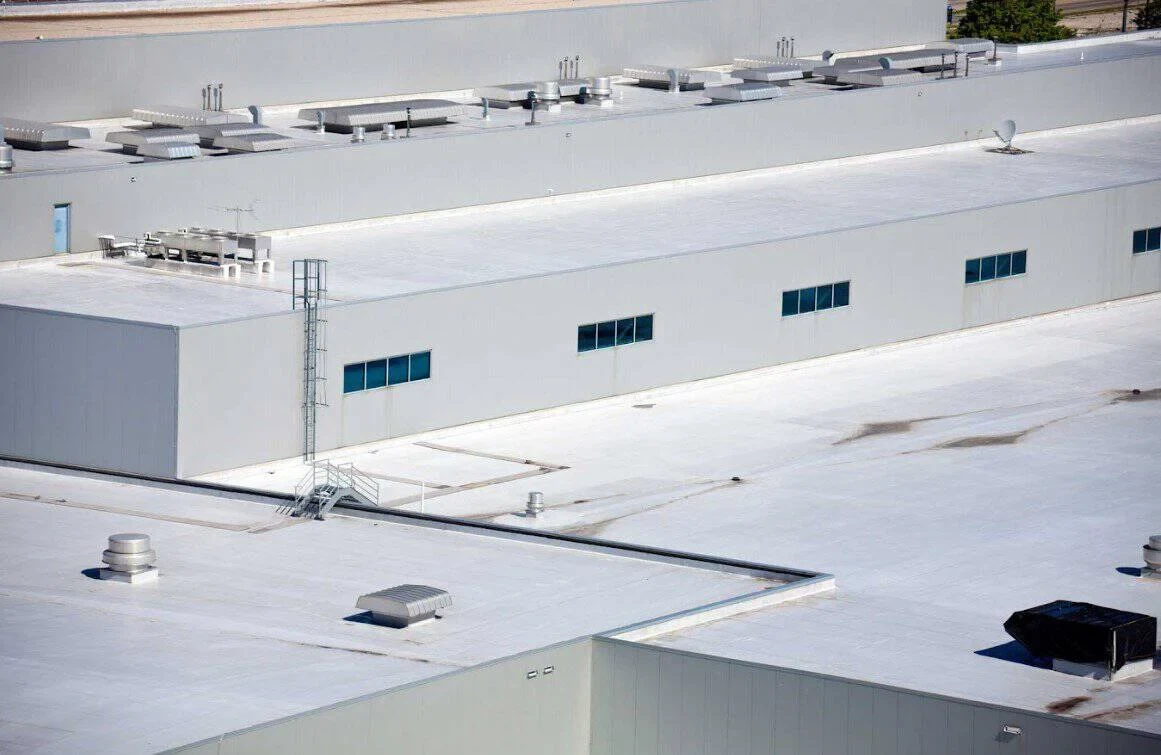
That location-tied approach matters most on the larger warehouse roofs along the interstate corridor, where a general description of "roof damage" covering acres of membrane gives an adjuster nothing to verify against. A record tied to specific bays, drains, and roof zones is one they can actually check.
Meeting the Adjuster on the Roof
We are available to walk the roof directly with your adjuster, pointing to the same location-tagged findings already in our written record so there is no gap between what we documented and what they see on site. We answer questions about what we found and how we found it. The decision on the claim itself stays with you and your carrier.
Framing the Complete Scope Beyond the Visible Damage
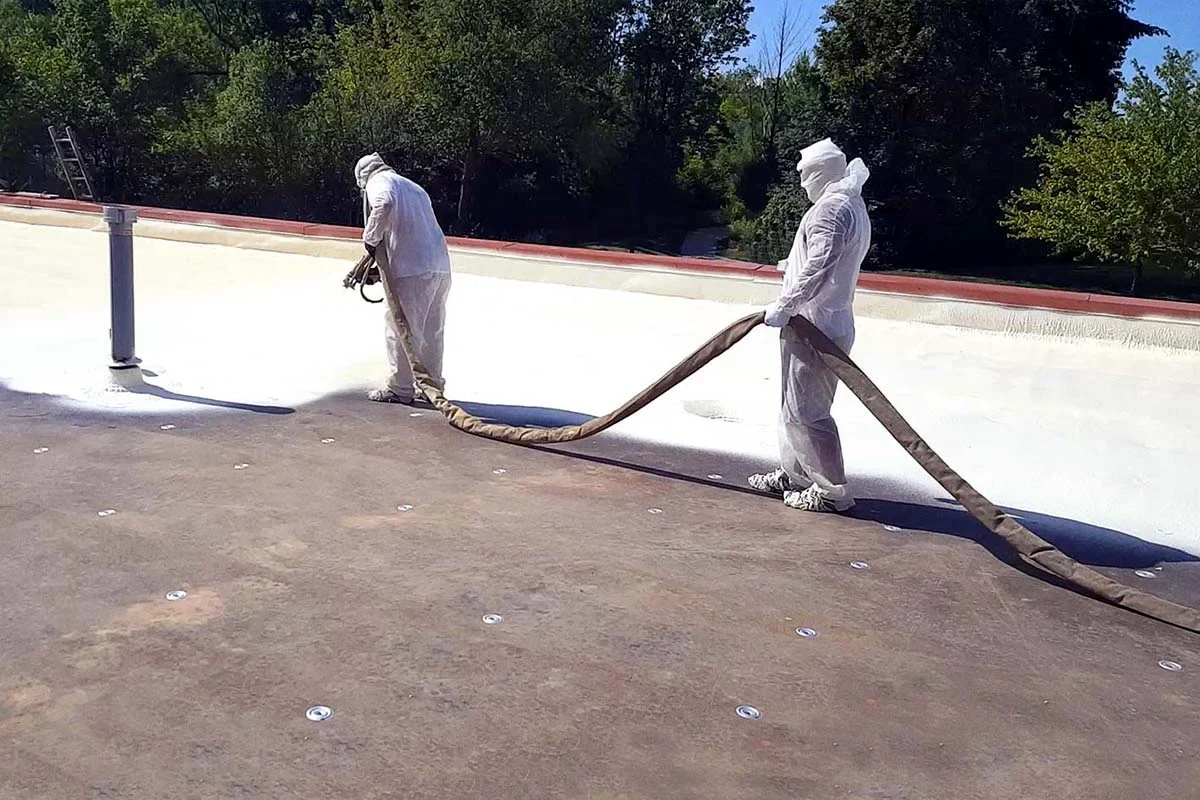
A damage estimate built only from what is visibly torn or punctured often misses what code requires once repair work opens up a section of roof. On the older buildings downtown, a partial reroof can trigger current insulation and fastening code minimums the original roof was never built to meet. On a newer warehouse roof, matching a discontinued membrane color or thickness across a repair patch is sometimes not possible, which affects whether the work should be scoped as a patch or a full section replacement.
We flag both of those situations plainly in our scope, because a claim built on an incomplete picture tends to come back short. That is not the same as inflating a number. It is describing what the repair actually requires to be done correctly and to code.
When a Claim Comes Back Denied or Underpaid
If a carrier's estimate does not match what we documented on the roof, we go back to the specific points of disagreement, usually with additional photos, measurements, or a supplemental inspection that addresses exactly what the adjuster flagged. That is different from disputing the carrier's decision on your behalf. Our role stops at giving you and your adjuster an accurate, complete picture of the roof; what happens with that picture from there is between you and the carrier.
We're your roofing contractor, not a public adjuster - we document and substantiate the roof damage so you and your adjuster work from an accurate scope.
Commercial Roof Insurance Claim Questions We Hear
Does insurance cover commercial roof replacement?
Often, if the damage is tied to a covered event like wind, hail, or a sudden failure rather than gradual wear. Age-related deterioration alone is typically not covered, which is part of why separating storm damage from ordinary wear matters in the documentation.
What does the claim process actually involve on our end?
Reporting the loss to your carrier, then getting us on the roof to document damage before repair work begins. From there we provide the written scope and photos your adjuster needs, and we are available for a joint roof walk if that is useful.
What happens if our claim is denied?
We review what the carrier's decision was based on and, where our documentation shows something that was not fully considered, we go back with additional detail - more photos, measurements, or a second inspection focused on the specific point in question.
Do you handle the repair once a claim is approved?
Yes. Once a claim is resolved, we move into the actual repair or replacement with the same crews and materials we would use on any commercial project.
Is there a difference between a repair scope and a replacement scope in a claim?
Often, yes, particularly on older roofs where a section of damage triggers current code requirements that only apply once that section is opened up. We flag that distinction early so it does not surprise anyone partway through the claim.
Will you tell us if damage looks more like wear than a storm event?
Yes, directly. An honest assessment protects the credibility of every claim we document, including the next one.
Ready to review the roof scope?
Request a Roof AssessmentRelated Commercial Roofing