Wind and Storm Damage Roof Insurance Claims in Scranton, PA
Wind and Storm Damage Roof Insurance Claims in Scranton, PA
Most of the wind damage we document here traces back to summer thunderstorms rolling off the Poconos and the Endless Mountains, the kind that build fast on a hot afternoon and bring straight-line gusts strong enough to lift membrane at a parapet before anyone downtown has closed a window. Spring and fall nor'easters add a second, slower kind of wind event, sustained rather than sudden, and it stresses a roof differently. Both generate legitimate claims, and both need to be documented in a way that ties the damage to the actual event.
The Wind Events That Actually Generate Claims Here
A fast-moving summer storm cell produces a short burst of high gusts, often with hail mixed in, and the damage pattern reflects that: concentrated, directional, and tied to a specific afternoon. A nor'easter or a remnant tropical system moving through in spring or fall produces hours of sustained wind from a fairly consistent direction, which stresses roof edges and fastener lines differently than a short gust ever does. We ask which type of event we are looking at before we start documenting, because it changes what pattern we expect to find.
What Wind Damage Looks Like on a Membrane Roof Versus a Coped Parapet
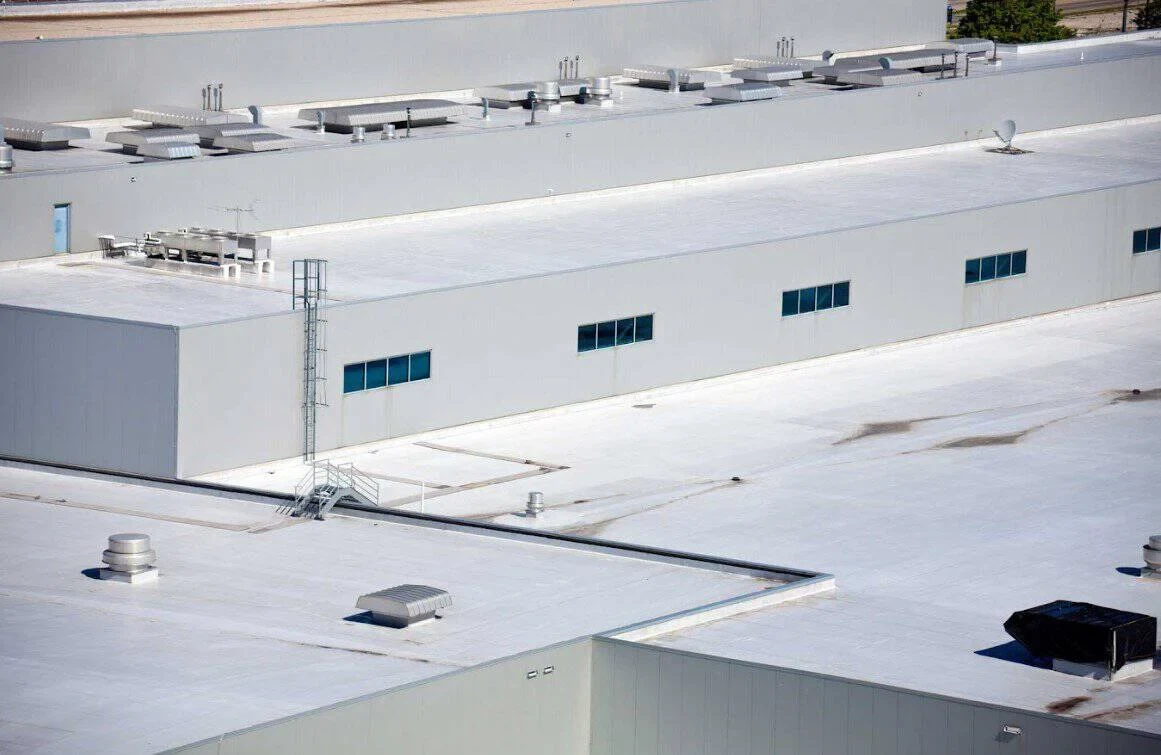
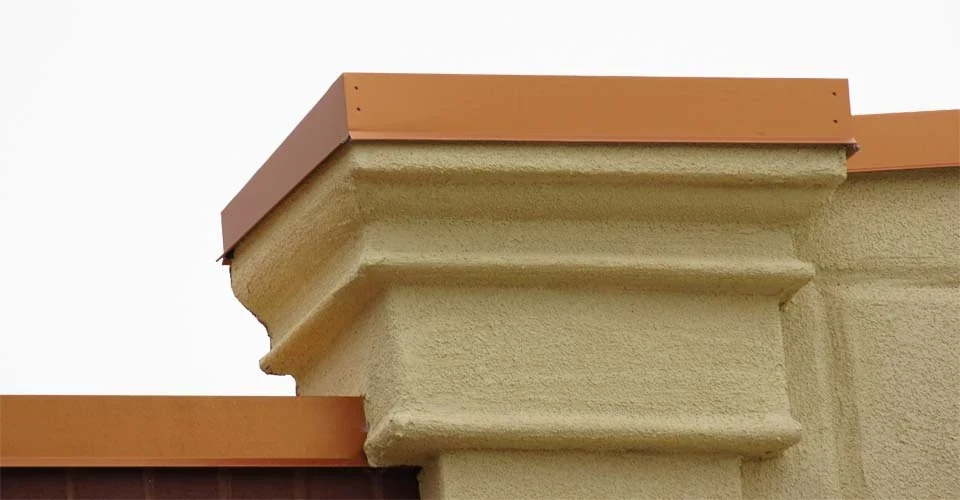
On the large single-ply and modified bitumen roofs common along the I-81 corridor, wind damage shows up as membrane lifted or torn at the edge, fasteners backed out along a perimeter line, and flashing displaced in the direction the wind was blowing. On the older brick buildings downtown, the failure point is more often a coped parapet cap that has worked loose, or edge metal that has pulled away from a masonry wall it was never perfectly sealed to in the first place. Both are wind damage. They just fail at different points because the roof systems are built differently.
Tying Damage to a Specific Event
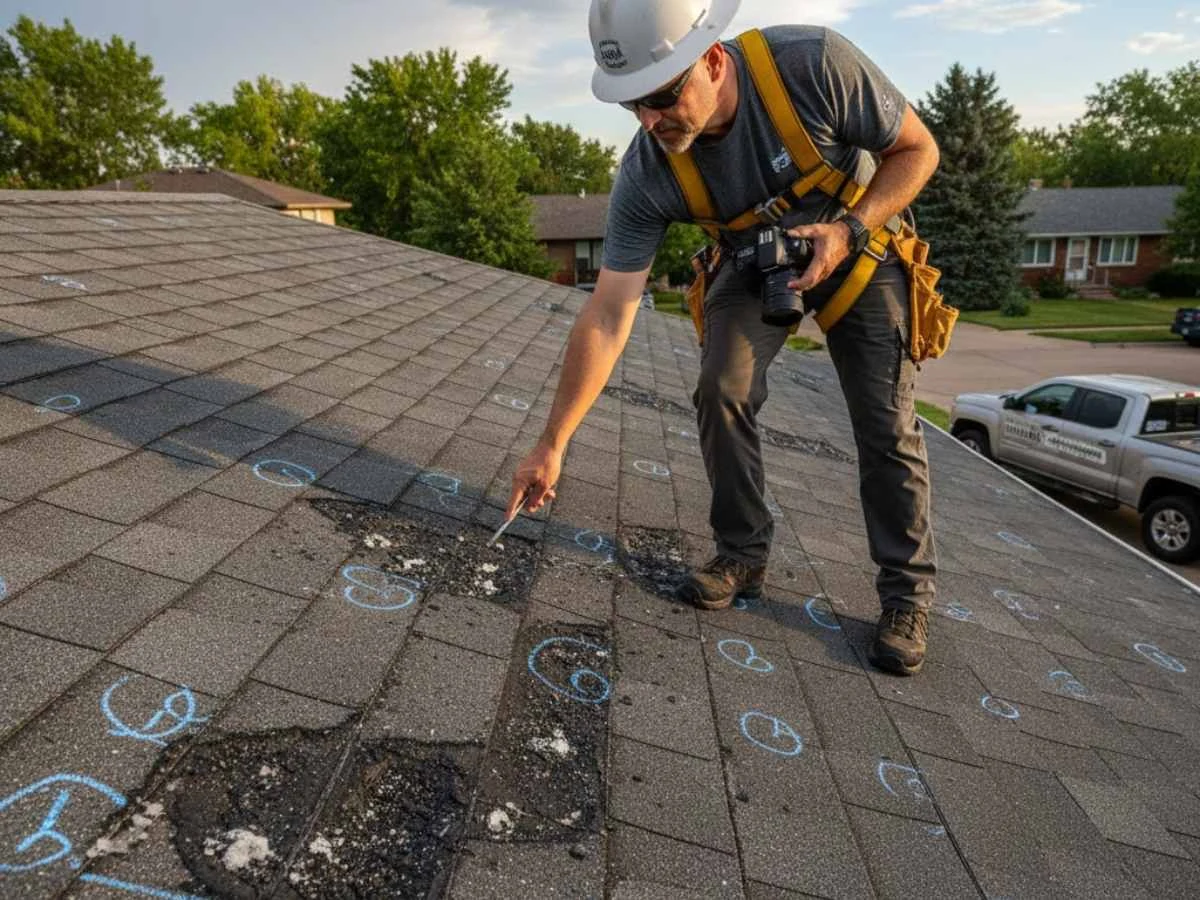
We record the date of the storm alongside the location and pattern of every area of damage, and where the timing is in question, we cross-reference publicly available regional weather data for that date rather than asking an adjuster to take our word for when a gust hit a building. That cross-reference matters most when a claim covers damage found days after the actual event, since the gap between when wind hit a roof and when someone noticed water on the floor below is not always short.
Perimeter and Edge Scope That Belongs in a Wind Claim
Wind damage concentrates at roof edges and terminations more than anywhere else on the field of the roof, which means a wind claim scope often needs to include edge metal, coping, and fastening upgrades, rather than membrane patching alone. Current code fastening requirements at the perimeter are frequently stricter than what an older roof was originally built to, and once a storm has damaged that perimeter enough to require replacement, the repair generally needs to meet the current standard rather than replicate the original undersized detail. We include that in the scope plainly, because leaving it out sets the next storm up to cause the same failure again.
Protecting the Building While the Claim Moves
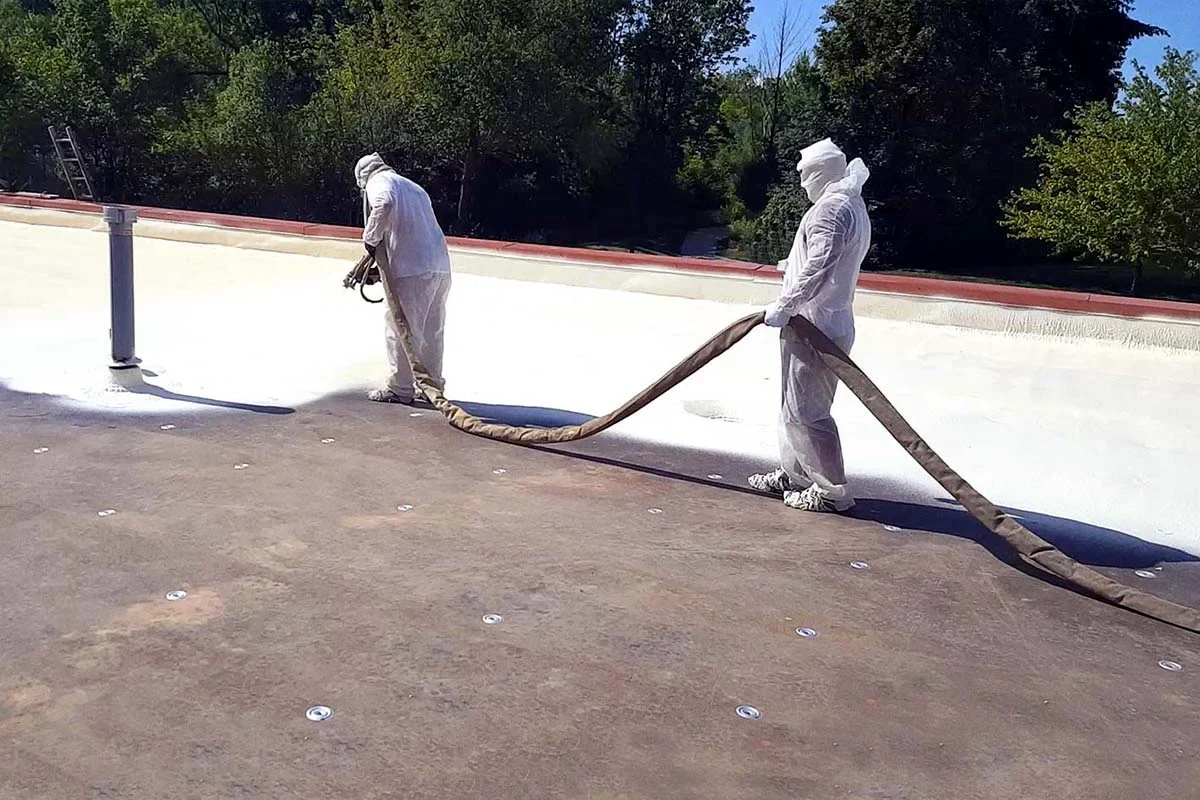
Where wind has opened the roof to active water intrusion, our emergency dry-in crew responds first, and pre-repair photos of the damage get taken before that temporary protection goes down. Damage that is real but not actively leaking gets scheduled for repair in a normal window, and we tell you plainly which category your roof falls into.
We're your roofing contractor, not a public adjuster - we document and substantiate the roof damage so you and your adjuster work from an accurate scope.
Wind and Storm Claim Questions We Hear
Is wind damage to a commercial roof usually a covered event?
Typically, yes, when the pattern is consistent with a specific storm rather than years of loose fasteners or aging edge details that finally gave out on their own. We document that distinction clearly.
How do you confirm a wind event actually happened on a specific date?
We cross-reference publicly available regional weather data for the date in question alongside the damage pattern we find on the roof, so the timeline is not based on memory alone.
Does a wind claim usually include the roof edge and coping, or just the membrane?
Where the edge or perimeter fastening failed, yes, and we scope it that way, since current code fastening standards are often stronger than what a damaged older edge detail was originally built to.
What if we did not notice the damage until several days after the storm?
That is common, especially with interior leaks that take time to show up. We can often still tie exterior damage to the storm date through the pattern and available weather data.
Do you handle emergency protection the same day as a wind event?
Where access is safe, yes. Active water intrusion gets a temporary dry-in first, with pre-repair photos taken before that temporary work covers the original damage.
Ready to review the roof scope?
Request a Roof AssessmentRelated Commercial Roofing