Manufacturing Facility Roofing in Scranton, PA
Roofing for Plant Managers Who Are Running Production, Not a Construction Site
This valley was built on manufacturing, and a lot of that history is still standing - brick mill buildings from the anthracite and textile era, some still running production, others carved into flex space, sitting alongside newer pre-engineered metal plants built out along I-81 and I-476 in the last twenty years. Both kinds of roof exist in this market, and they fail differently. We work with plant managers on the terms that matter to them: keeping a line running, protecting equipment below, and not turning a roofing project into an unplanned production stoppage.
Two Very Different Roof Types in This Region
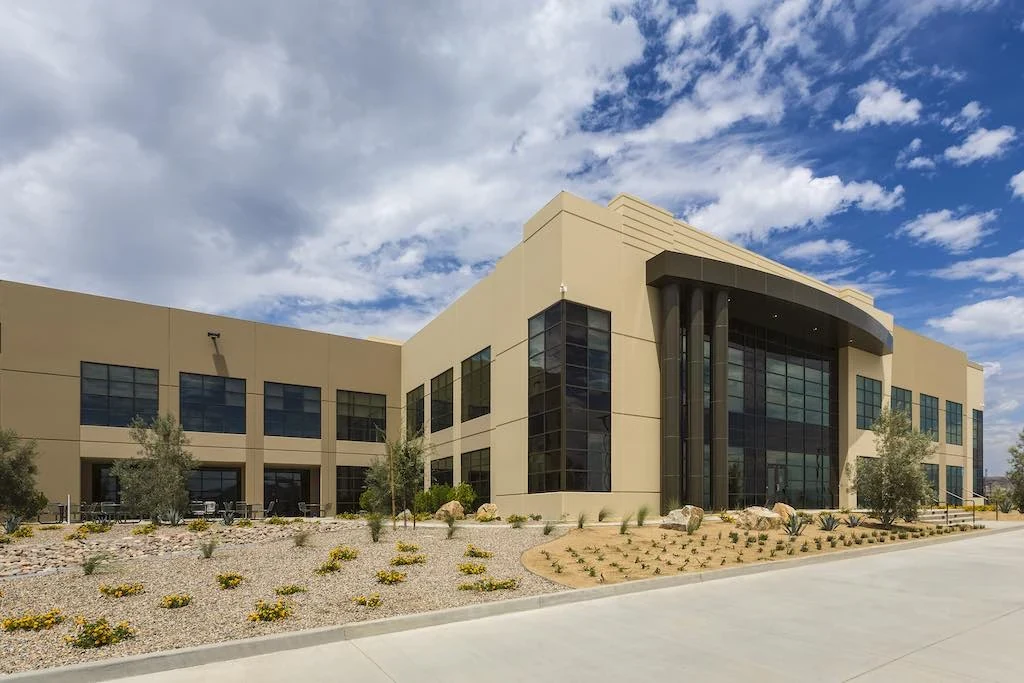
A lot of manufacturing space in Scranton and the Lackawanna Valley sits inside older multi-story brick or block structures - mill and factory buildings that predate modern roofing codes, often with roofs that have been patched and recovered multiple times over decades. Those roofs need a different diagnostic approach than a newer single-story metal building out toward Dunmore or Olyphant's industrial parks, where the roof is a standing-seam or metal-panel system tied into a pre-engineered structure with its own design tolerances. We treat these as genuinely different jobs, not variations on the same spec.
On older mill buildings, the bigger risk is usually structural - old roof decks weren't necessarily designed for the loads modern equipment or accumulated recover layers put on them. On newer metal buildings, the more common issue is fastener backout and seam integrity on standing-seam panels that have been through enough freeze-thaw cycles to start working loose.
Rooftop Equipment Tied to the Production Process
Dust collection systems, exhaust hoods, makeup air units, and process piping penetrations are common on a manufacturing roof, and each one is a place where the membrane or panel system has to be detailed correctly or it becomes the first leak point. We map every piece of production-tied rooftop equipment before we plan a job, because moving or working around a dust collector or exhaust run without understanding what it's connected to inside the plant is how a roofing crew accidentally interrupts a process line.
Hot Work, Permits, and Plant Safety Protocols
Manufacturing plants generally run tighter safety and hot-work permitting than a typical retail or office building, and for good reason - many production floors handle combustible dust, solvents, or materials that make an unplanned spark a serious risk. We work within whatever hot-work permit process your plant safety officer requires, including cold-applied or mechanically fastened systems where torch-applied materials aren't appropriate near your operation. That conversation happens before we bid the job, not after.
Scheduling Around Shift Patterns and Planned Downtime
Most plants in this region run some combination of shift work, and the windows where a roof crew can work without interfering with production aren't always obvious from outside. We build schedules around your actual operating pattern - running noisier or more disruptive phases of a job during a planned maintenance shutdown or a lighter shift, and keeping quieter phases going during full production if the work doesn't require additional deck penetration or interior access.
- Map all production-tied rooftop equipment - dust collection, exhaust, process piping - before scheduling any deck work
- Confirm hot-work permit requirements and combustible-dust protocols with plant safety before mobilizing
- Distinguish structural risk on older mill-building decks from panel and fastener issues on newer metal buildings
- Sequence disruptive work phases around planned maintenance shutdowns where possible
- Protect equipment and inventory below the work area during any tear-off or membrane replacement
- Verify roof drainage on older multi-story buildings, where original drains were often undersized by current standards
What a Roof Failure Actually Costs a Manufacturing Operation
A leak over a warehouse aisle is an inconvenience. A leak over a CNC line, a finishing booth, or raw material storage is a different order of problem - corrosion risk on equipment, contamination risk on product, and potential downtime while the area dries out and gets inspected. We prioritize manufacturing clients' inspection findings by what's directly over active equipment or process-critical space, ahead of square footage or membrane age alone, because that's where a small problem turns expensive fastest.
Metal Panel and Membrane Options for Production Buildings
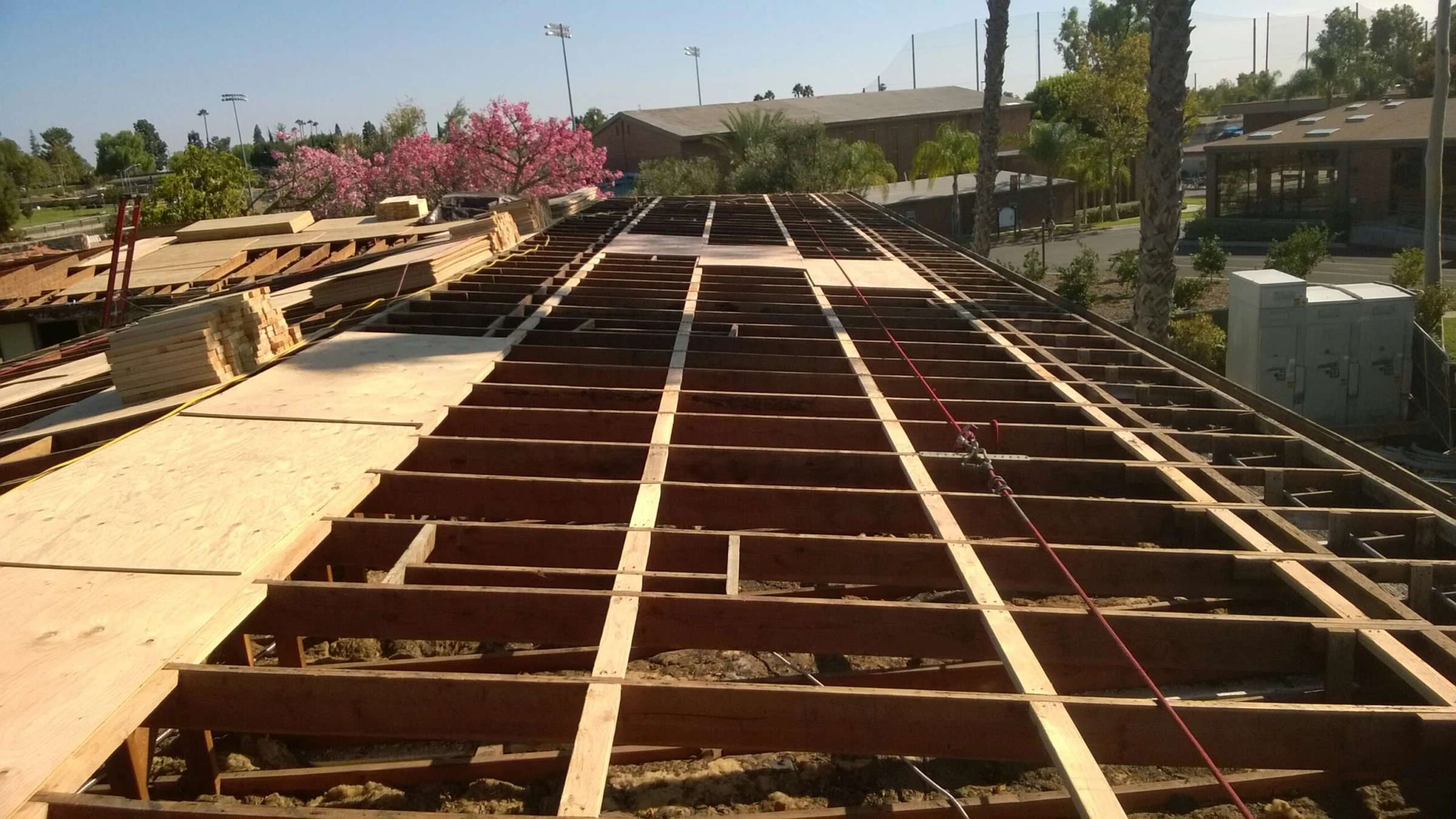
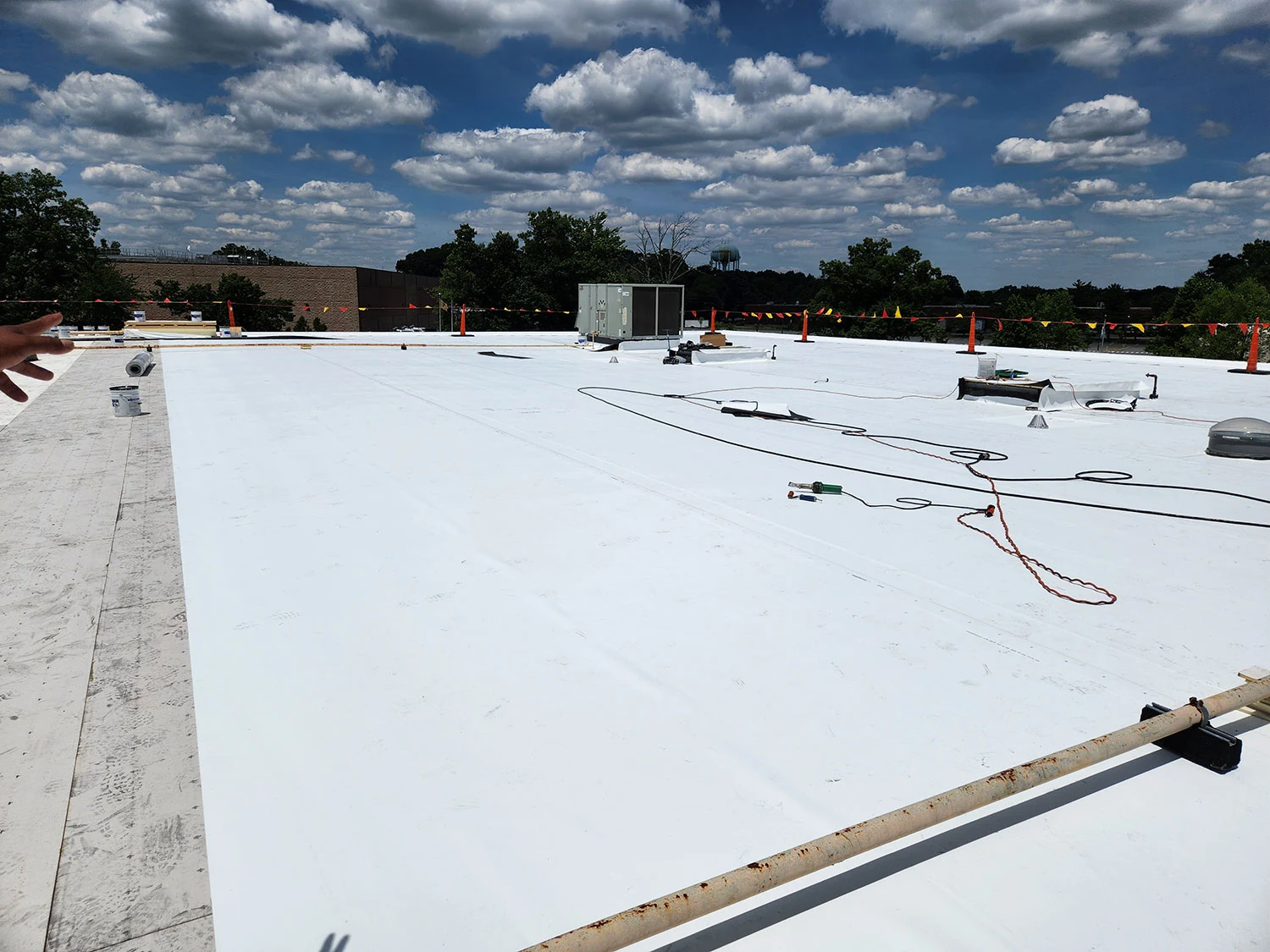
For newer metal buildings, we work in standing-seam and R-panel systems matched to the building's existing structural fastening pattern. For older mill-building roofs being recovered rather than fully replaced, a properly detailed recover system can extend service life significantly if the underlying deck checks out structurally - something we verify before recommending that path rather than assuming it.
Common Questions From Plant and Facilities Managers
Can roof work happen without shutting down our production line?
Usually yes, if the work isn't directly over active equipment requiring deck penetration. We'll walk your floor plan against the roof plan and tell you honestly where that's true and where it isn't.
Do you handle hot-work permitting for plants with combustible dust concerns?
Yes - we work within your plant's existing safety protocol and can use cold-applied or mechanically fastened systems where torch work isn't appropriate for your operation.
Our building is an old converted mill. How do you know if the roof deck can handle a new system?
We check structural condition and existing layer buildup before recommending recover versus tear-off. A deck that's already carried multiple recover layers over decades sometimes needs those layers removed before adding more weight.
How do you protect equipment below the roof during a tear-off?
We tarp and contain the work area, sequence tear-off in sections rather than opening the whole roof at once, and coordinate weather timing closely so equipment isn't exposed longer than necessary.
Can you work around our dust collection and exhaust equipment without disconnecting it?
In most cases, yes - we map that equipment first and route work around active units. Where equipment does need to come offline briefly, we schedule that around your process needs, not ours.
Ready to review the roof scope?
Request a Roof AssessmentRelated Commercial Roofing