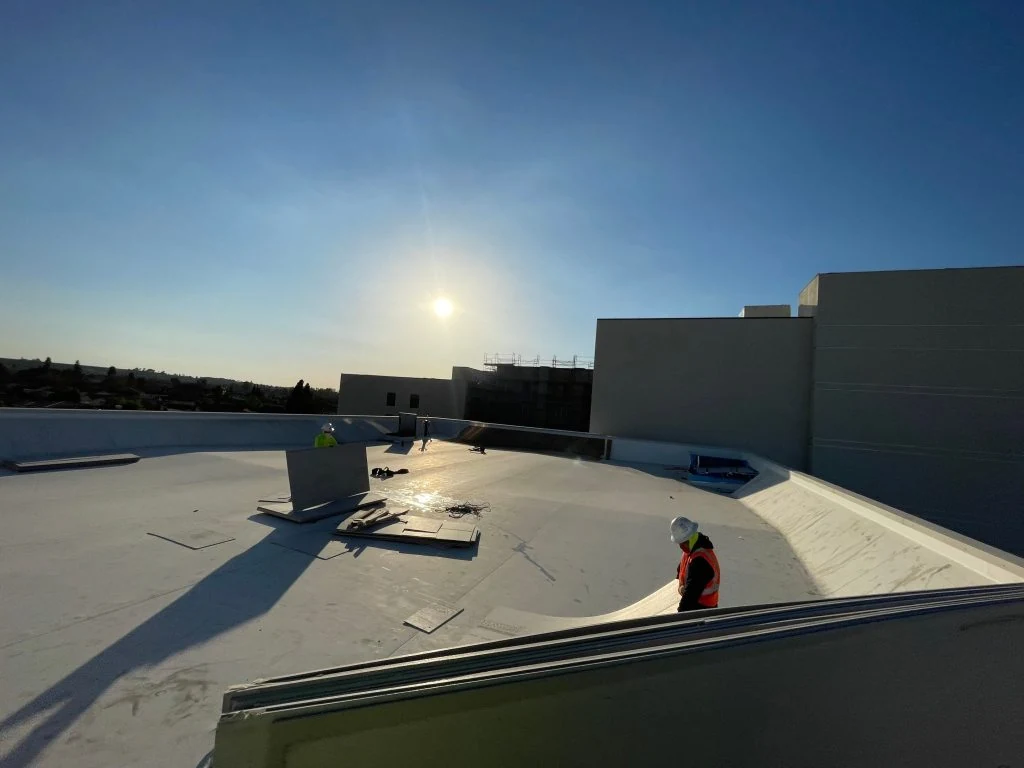
Roof Recover and Overlay in Scranton, PA
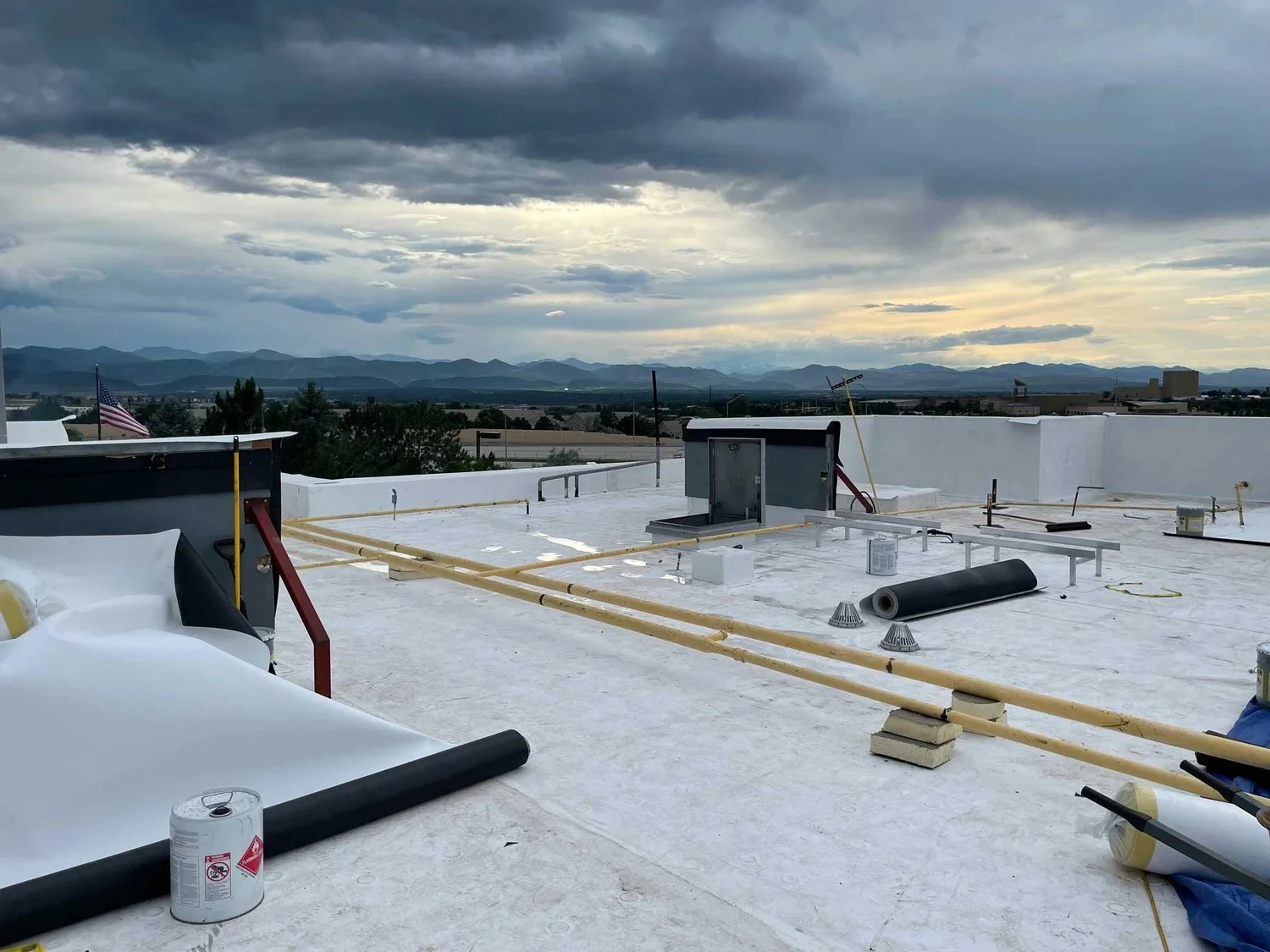
Recover Roofing Over Big-Box and Casino Roofs That Cannot Go Dark
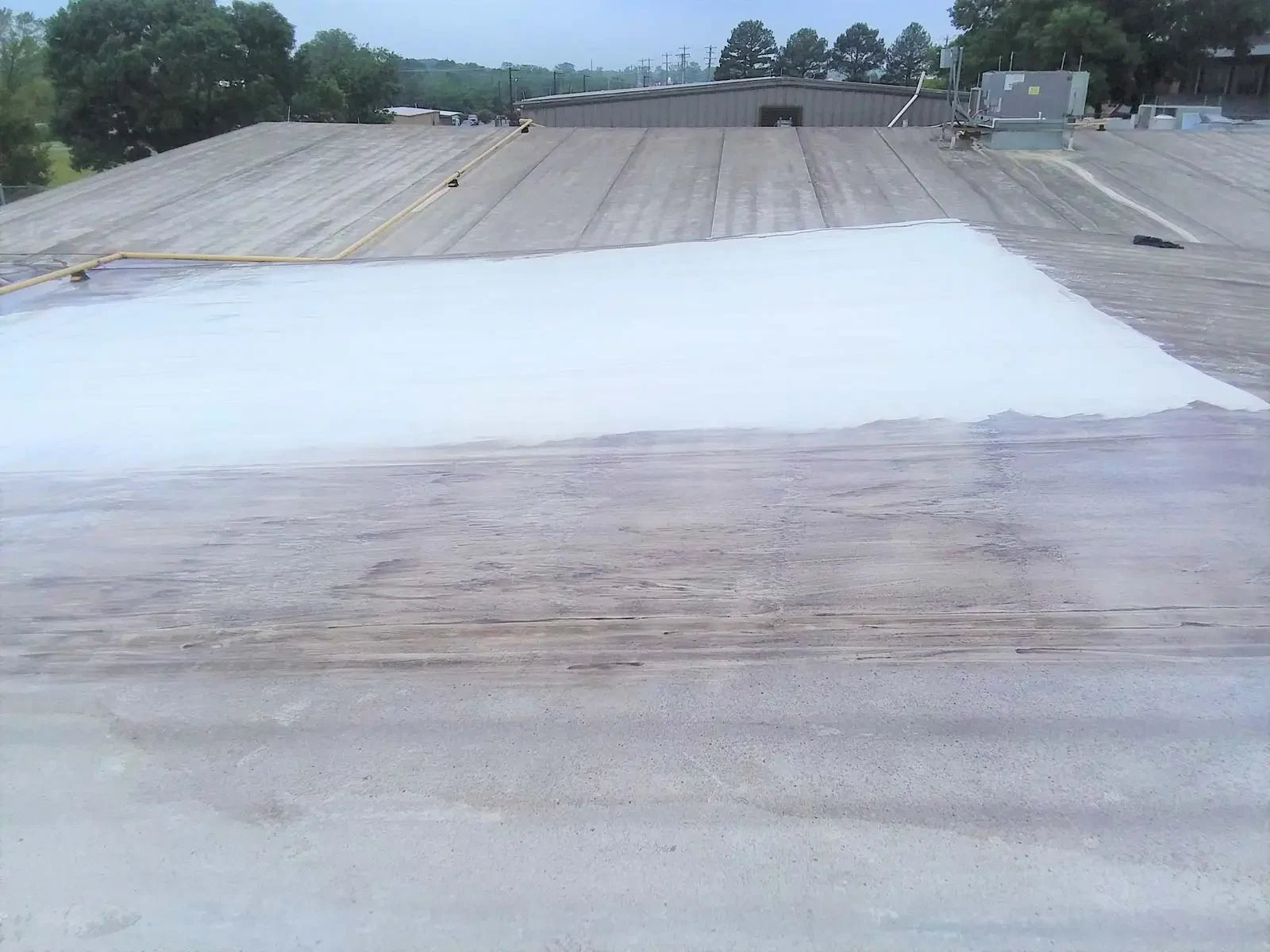
A tear-off is not always the right answer, and on some of the largest roofs in this market it is not even the practical one. Recover roofing adds a new system directly over an existing roof that still passes inspection, and it is often the only realistic path for a building that cannot close to shop, gamble, or shop for groceries during construction.
When a Recover Makes More Sense Than Tear-Off
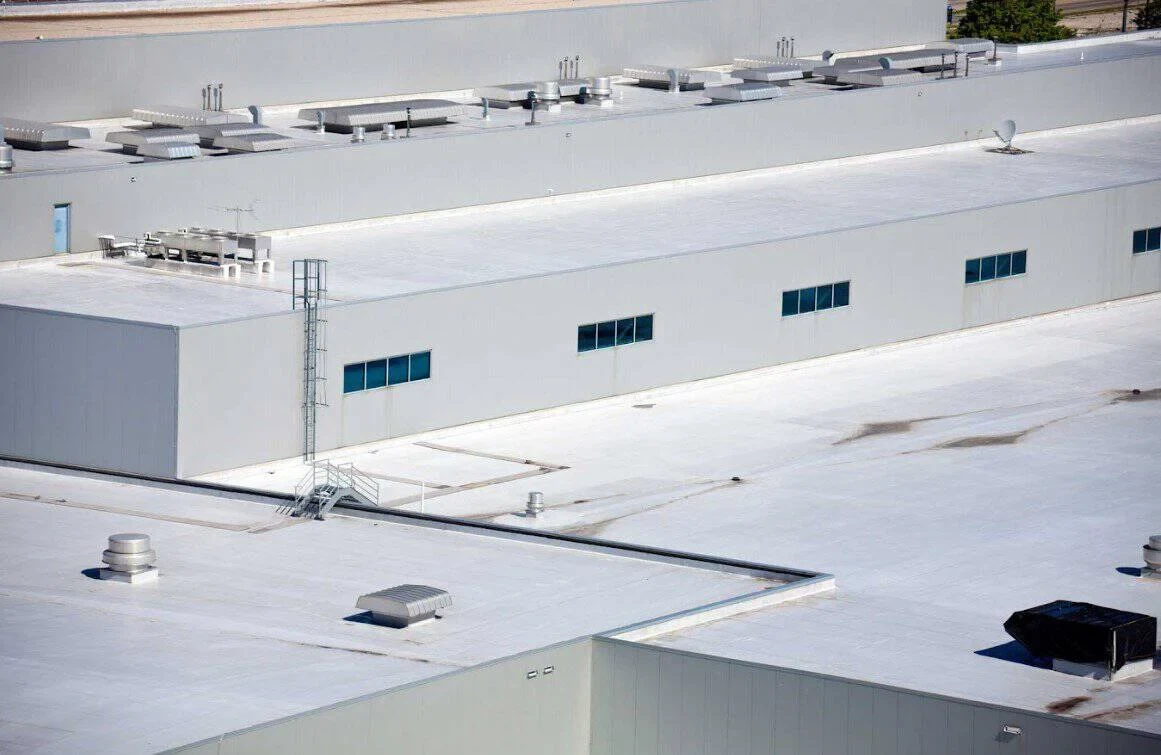
Big-box retail anchoring the Wyoming Valley Mall in Wilkes-Barre Township and the Viewmont Mall corridor in Dickson City represents exactly the kind of large, occupied roof where a recover often beats a full tear-off. Recover installation avoids the disposal cost, the tear-off labor, and the exposure risk that comes with stripping a roof down to bare deck, all of which matters more on a building that generates revenue every single hour it stays open.
Cost is the other half of the equation. A recover typically runs less than full tear-off and replacement, since a meaningful portion of the existing roof assembly stays in place and continues doing its job as a base layer.
Timeline is a factor too. A recover project generally moves faster than a comparable tear-off since crews skip the demolition phase entirely, which matters on a seasonal retail calendar where a store cannot risk an open roof heading into a peak shopping period.
What the Existing Deck Has to Pass First
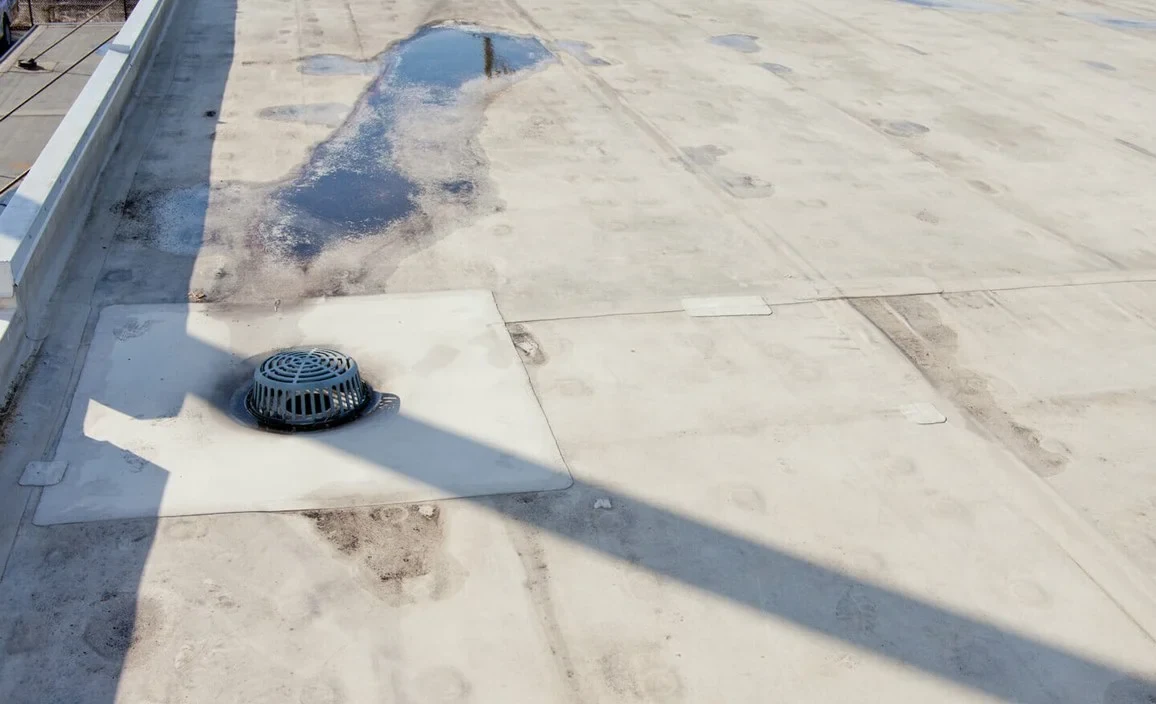
Not every roof qualifies for a recover, and pretending otherwise leads to a new roof failing over a hidden problem in the old one. Before recommending a recover, we confirm the existing system through inspection and core cuts, checking specifically for:
- Dry insulation throughout, with no widespread wet spots found in core samples
- A structurally sound deck with no rot, corrosion, or sagging
- No more than the maximum number of existing roof layers code allows for a new layer on top
- Drainage that will still function adequately once new roof height is added
- No active major leaks that indicate deeper unresolved problems below the surface
When a roof fails that check, particularly on wet insulation, a recover is the wrong move regardless of budget pressure, since new roofing over a wet base just traps the problem and guarantees a callback.
Recover Over a Roof That Cannot Close for Business
The Mohegan Pennsylvania casino property in Plains Township is a clear example of a building where closing is simply not an option, and a recover strategy lets us add a new weatherproofing layer while gaming floors and hospitality operations underneath continue uninterrupted. The same logic applies to any retail anchor tenant with a lease that penalizes downtime or a grocery store that cannot go dark even for a day.
Recover work still gets phased by roof zone like any other large project, but without the tear-off step, each zone typically closes out faster than a comparable tear-off and replacement section would.
Insulation and Drainage Changes During a Recover
Adding a new roof layer changes the building's total roof height, which affects parapet clearance, rooftop equipment curb height, and sometimes drainage slope. We evaluate all of that before starting, since a recover that raises roof height without accounting for existing curbs can create new flashing problems at every piece of rooftop equipment on the building.
A recover is also an opportunity to improve insulation performance, since new insulation board goes down as part of the new assembly. On an older big-box building with minimal original insulation, that upgrade alone can meaningfully improve energy performance without the cost of a full tear-off project.
When We Recommend Tear-Off Instead
Wet insulation found during core cuts is the single most common reason we steer a client away from recover toward full tear-off. Other situations that call for tear-off instead include roofs already at the maximum layer count allowed by code, decks with structural damage that needs direct access to repair, and buildings where the added weight of a recover assembly exceeds what the structure can safely carry.
We would rather tell a client upfront that their roof needs tear-off, even though it costs more, than sell a recover that fails within a couple years because the underlying roof was not a real candidate.
A partial recommendation is also common on larger properties. A retail complex with several roof sections built at different times might qualify for recover on the newer wing while the original older section needs tear-off, and we present both parts of that plan clearly rather than forcing one decision across an entire property that was never actually one uniform roof.
Recover Roofing Questions From Retail and Facility Managers
How do you know if our roof qualifies for a recover instead of tear-off?
We inspect the existing roof and take core samples to check insulation moisture, deck condition, and existing layer count before making a recommendation either way.
Can a recover be installed without closing the store?
Yes, that is the primary reason retail and hospitality clients choose recover roofing. Work is phased by zone so the building stays fully operational throughout.
Is a recover roof as durable as a full tear-off and replacement?
When the underlying roof genuinely qualifies, a properly installed recover performs well and offers a strong service life, though a fresh tear-off starts from a completely clean base.
Will a recover roof cost less than a full tear-off?
Generally yes, since disposal and tear-off labor are eliminated, though the exact savings depend on the specific building and existing roof condition.
Does adding a new roof layer affect our rooftop HVAC equipment?
It can, since roof height changes affect equipment curb clearance. We account for this during planning and adjust curb heights or flashing details where needed.
Ready to review the roof scope?
Request a Roof AssessmentRelated Commercial Roofing