TPO Single-Ply Roofing in Scranton, PA
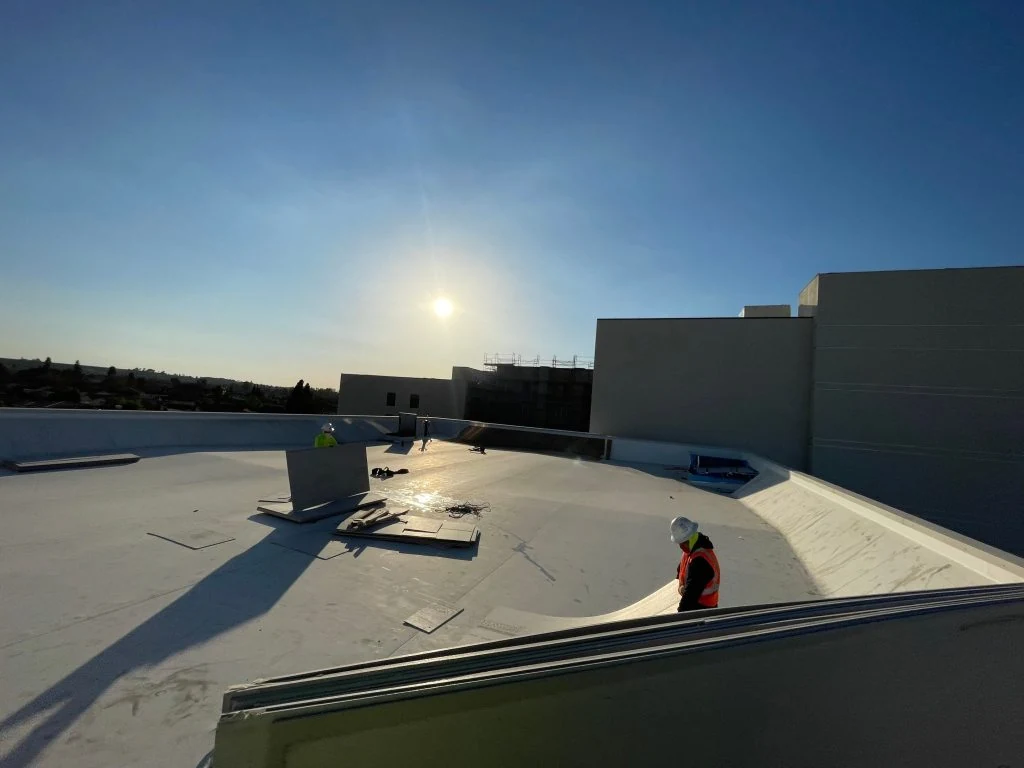
TPO on the Big Single-Story Roofs Along I-81
Most of the new roof square footage going in around Hazleton, Jenkins Township, and Pittston Township is TPO, and there is a reason for that. It is the system that handles a 300,000 square foot deck, a reflective surface requirement, and a phased install schedule better than most alternatives.
TPO for Distribution Center Roofs Along I-81
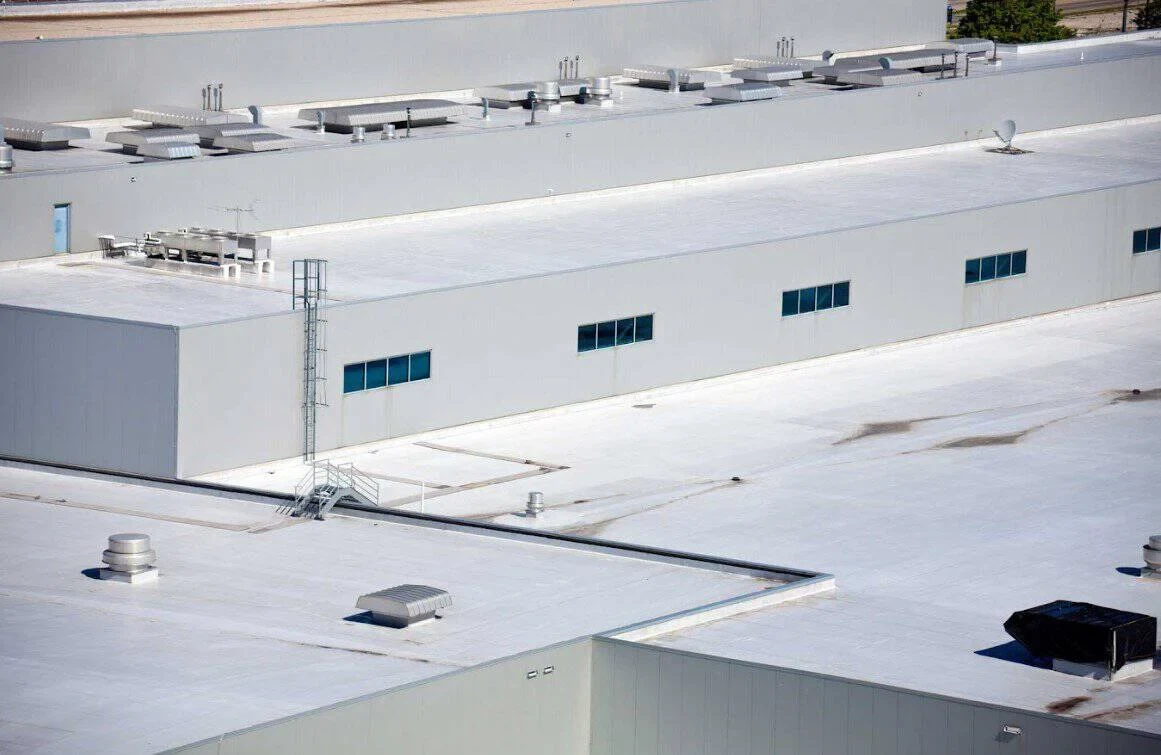
The warehouses filling in around the Humboldt Industrial Park in Hazleton and the CenterPoint parks in Jenkins Township and Pittston Township are single-story buildings with enormous flat roofs. TPO sheets come in wide rolls, which means fewer seams across a huge deck, and fewer seams means fewer places for a leak to start over a pick aisle or a conveyor line below.
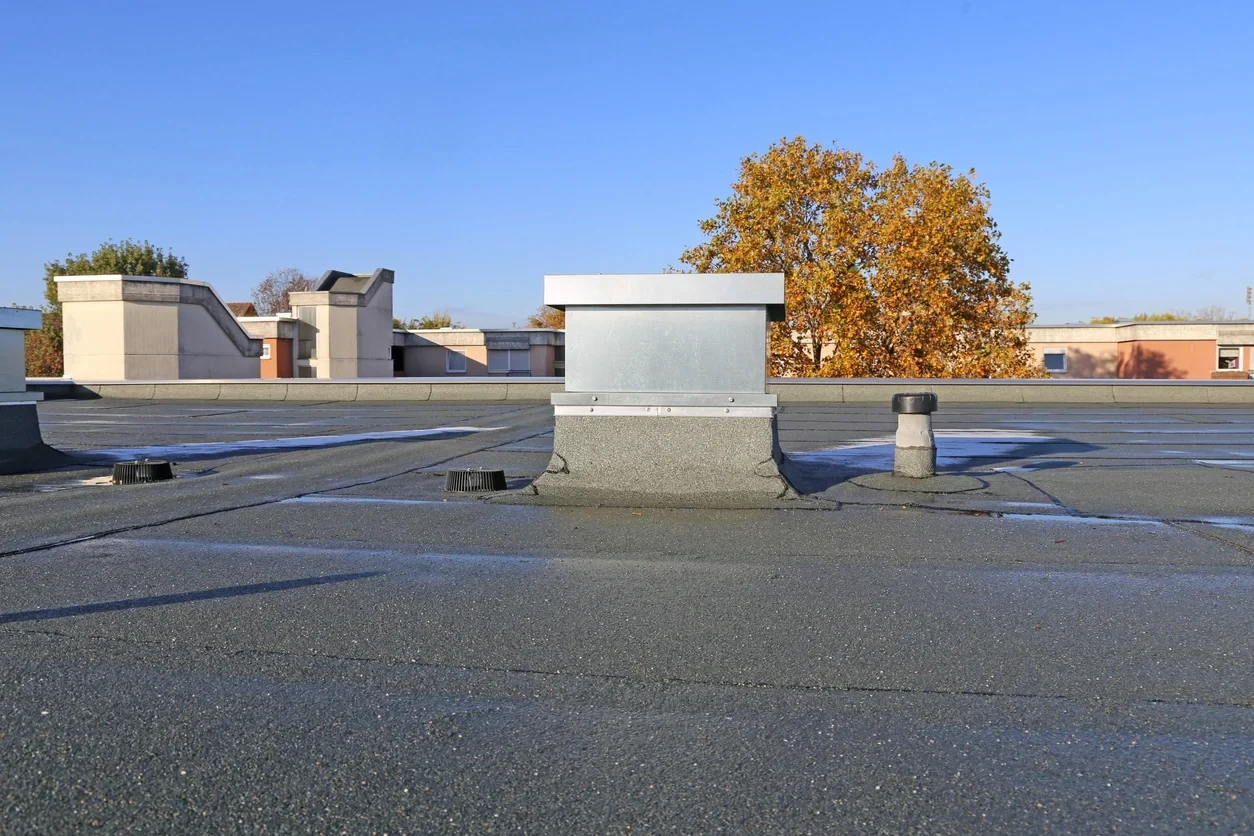
These buildings also carry a lot of rooftop equipment: HVAC units, exhaust fans, sometimes solar arrays being added after the fact. TPO's heat-welded flashing details hold up around all of that penetration work better than older adhered systems, and that matters on a roof this size with this much equipment on it.
Welded Seams Matter More at This Scale
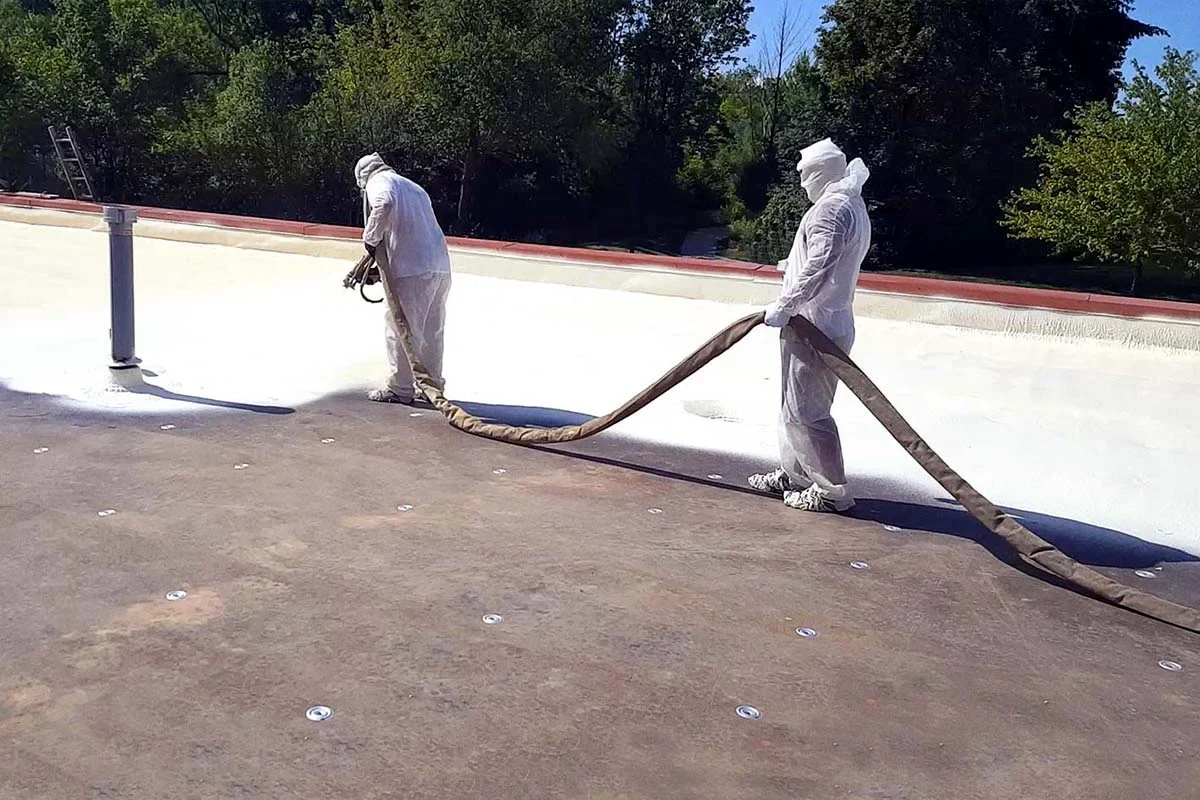
A hot-air welded seam on TPO creates a homogenous bond between sheets rather than a glued lap, and on a roof with thousands of linear feet of seam, that difference adds up. We test welds with a probe on every seam, not a sample, because on a warehouse this size a missed weld can sit undetected for years before it shows up as a stain on a rack below.
Seam quality control is honestly more important than the membrane thickness debate. A 60-mil sheet with a bad weld fails before an 80-mil sheet with a good one.
We also check seam integrity again after the first hard freeze-thaw cycle of the season, because that first cold snap after installation is when any marginal weld tends to show stress. Catching it in an early spring walk beats catching it from a tenant complaint in July.
Reflectivity and Rooftop Heat on Cold Storage Buildings
White TPO's reflectivity does real work on a cold storage or refrigerated distribution building, where the roof deck sits directly above chilled space and every degree of rooftop heat gain becomes a cooling load downstairs. On a building running compressors around the clock, a cooler roof surface is a real operating cost difference, not a marketing point.
On standard ambient-temperature warehouse space the reflectivity still helps, mostly by keeping rooftop unit intake air cooler and reducing thermal cycling stress on the membrane itself over the years.
Snow Load and Drainage on Large Flat Roofs
Lake-effect snow bands push into this part of Northeastern Pennsylvania, and a flat roof this large needs drainage that keeps up with a fast heavy melt event as well as a slow winter thaw. We look at:
- Primary and secondary drain placement relative to structural low points
- Scupper sizing against roof area, not a generic standard
- Drift accumulation behind rooftop units and along parapet walls
- Insulation taper design to move water toward drains instead of letting it pond
- Overflow drain function as a backup, not a formality
A distribution center that floods a receiving dock because a drain clogged during a February thaw loses more money in a day than a properly sized drainage system costs over its whole service life.
Installing Without Stopping the Dock Doors
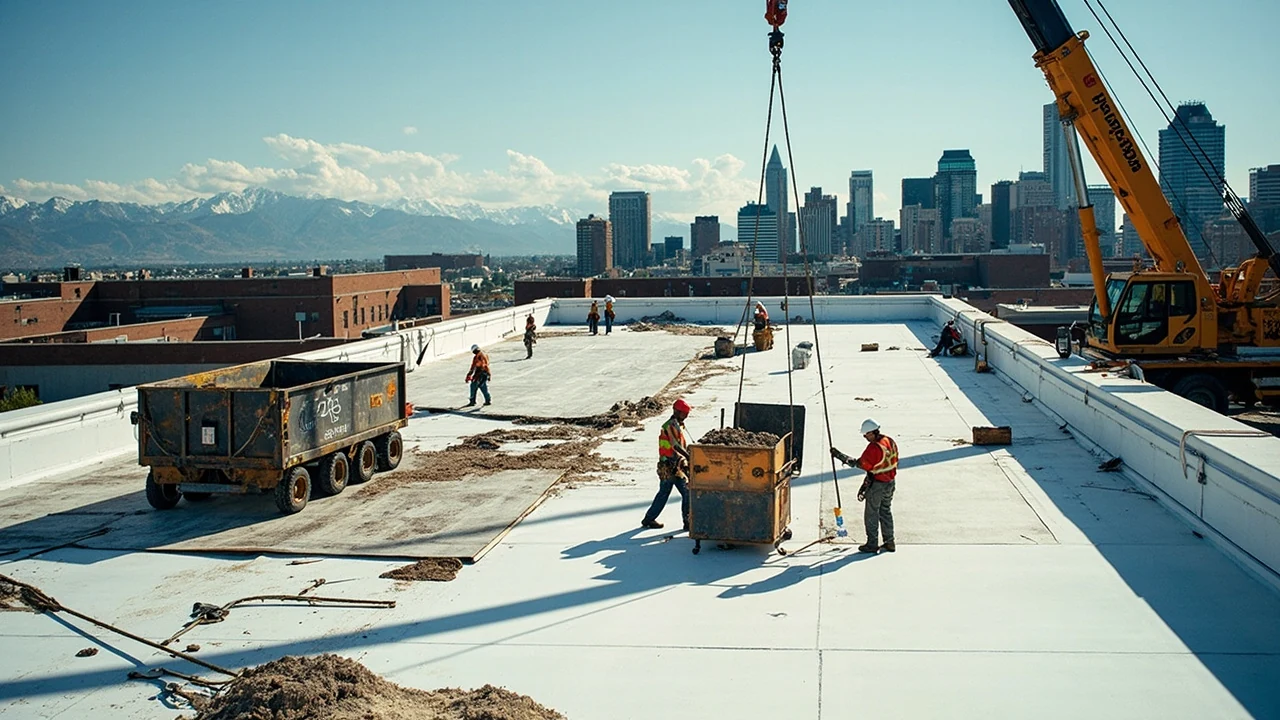
Warehouses on this corridor do not close for a reroof, and we do not ask them to. TPO installs in defined roof zones, so a section gets torn off, insulated, and welded while the rest of the roof and the entire operation underneath stays untouched. Material staging happens off to the side of active dock doors, not through them.
We coordinate directly with facility managers on shift schedules so loud work like tear-off happens during windows that make sense for the operation and the crew alike.
Material logistics get planned the same way. Rolls and insulation board stage in a designated yard area away from active truck lanes, and delivery timing is set around the building's own inbound and outbound freight schedule so our trucks are never the reason a shipment sits waiting.
Common TPO Questions From Warehouse Managers
How long does a TPO reroof take on a large distribution center?
It depends heavily on square footage and how many roof zones the phasing plan uses, but a large single-story building typically runs several weeks when phased to keep the facility operating throughout.
Does TPO handle the snow load we get up here?
The membrane itself is not the load-bearing element, the deck and structure are. What TPO does is shed water fast during a melt so ponding weight never becomes part of the load equation.
Can you install TPO around existing rooftop solar or HVAC equipment?
Yes, that is routine work. Flashing detail around penetrations is where most roof leaks actually originate, so we treat that part of the install carefully.
What thickness TPO do you recommend for a warehouse roof?
60-mil handles most standard distribution buildings well. We move up to 80-mil on roofs with heavier foot traffic or more rooftop equipment where the membrane sees more physical wear.
Will a TPO roof void an existing roof warranty from a previous install?
Only the manufacturer of the original system can answer that for a specific roof. We document the condition of what is there before recommending replacement so that conversation has real information behind it.
Ready to review the roof scope?
Request a Roof AssessmentRelated Commercial Roofing