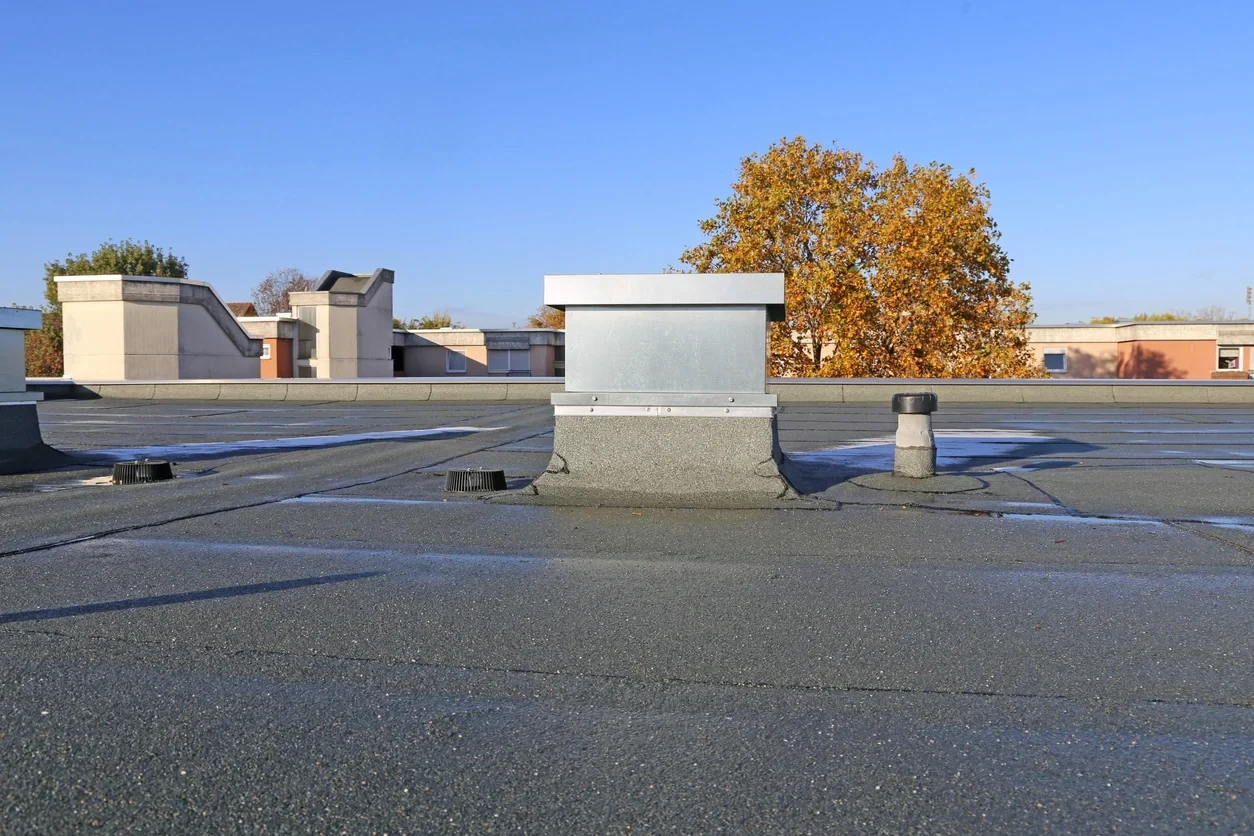
Commercial Reroofing in Scranton, PA
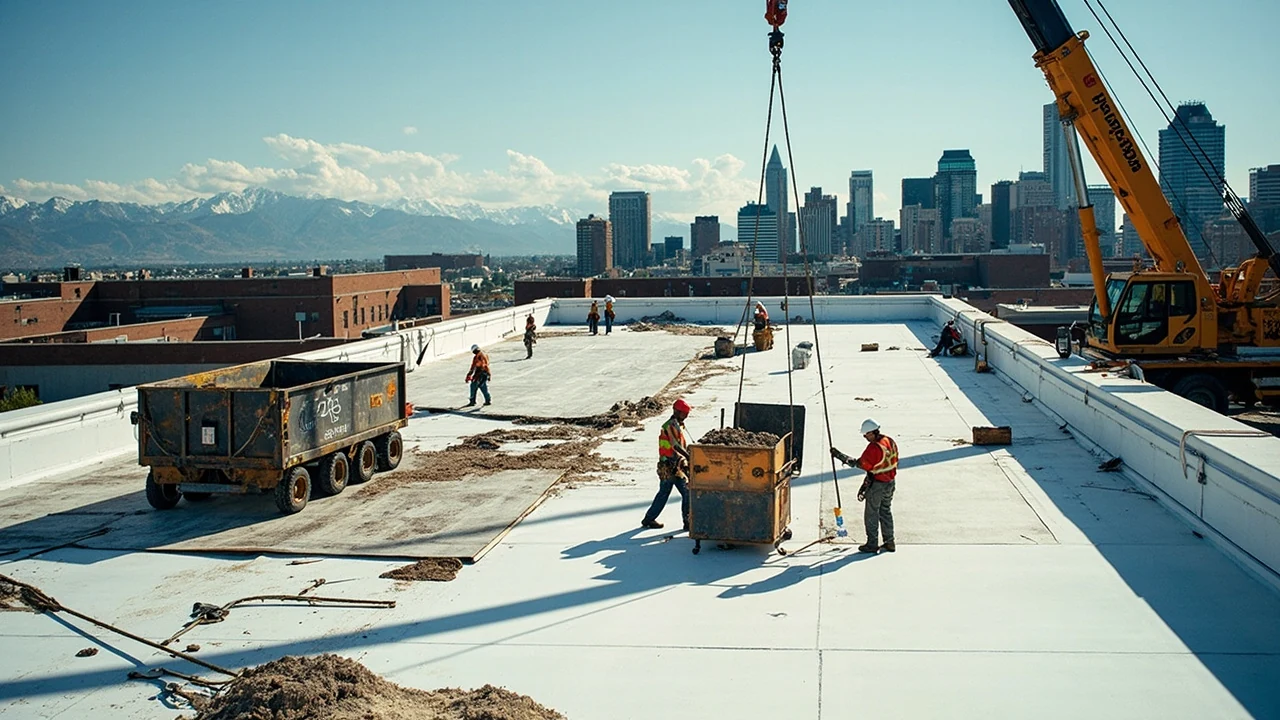
Full Reroof Planning for I-81 Warehouses and NEPA Plants
When a roof on a distribution center or manufacturing building in the Scranton-Wilkes-Barre corridor reaches the end of its service life, the decision is rarely as simple as replace it. We plan every reroof around what is happening underneath the membrane, whether that is racking three shelves deep at a I-81 fulfillment building or production lines that cannot go dark, and around what the Wyoming Valley sky is going to do to an open roof deck in the meantime.
Deciding Between a Recover and a Full Tear-Off
The first question on any reroof is whether the existing assembly can be built over or has to come off. A moisture scan tells us where insulation has gone wet from years of ice damming at the parapets, and those areas do not get covered up, they get cut out and replaced regardless of what happens elsewhere on the roof. Building code also caps how many roof layers can stack before a tear-off is mandatory, and a lot of the older manufacturing stock around the Lackawanna River has already used up that allowance.
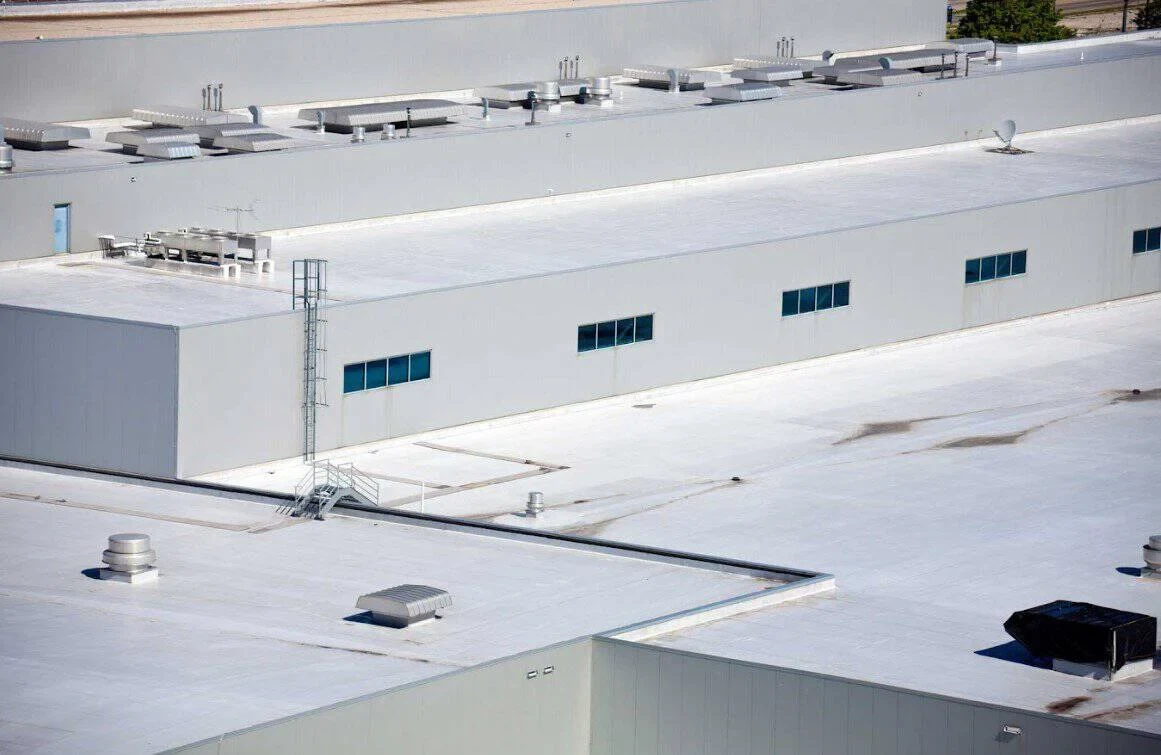
Newer single-ply roofs at the distribution parks off I-81, the kind built in the last fifteen years for Amazon and Chewy-scale operations, are more likely to still be a single layer with an intact membrane, which opens the door to a recover system that saves tear-off cost and keeps the building weathertight through the work. We do not default to recover just because it is cheaper. If the insulation underneath is saturated or the deck has soft spots from long-term ponding, we tell the owner that a recover would just be burying a problem under a new membrane.
Timing a Reroof Around the NEPA Snow Season
Northeastern Pennsylvania gets a real window for reroofing and a real window where we will not start one. Lake-effect bands and nor'easters can still put wet snow on the ground into April, and the first cold snap of late fall can come earlier than owners expect at this elevation. We build reroof schedules to have new membrane fully sealed and drainage proven before the first hard freeze arrives, whenever the calendar says winter actually is.
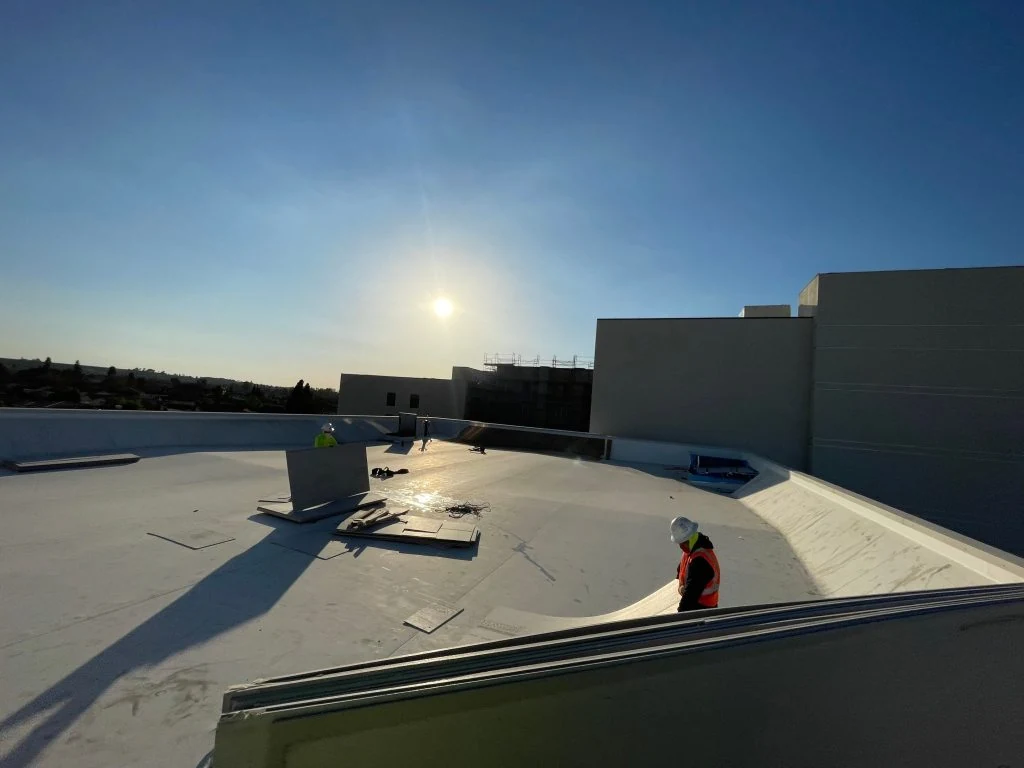
On a large flat roof, that means sequencing the tear-off so no more substrate is opened in a day than the crew can close with new membrane and temporary flashing before quitting time, every day, all summer. If a storm cell builds over the Poconos in the afternoon, which happens more summers than not, the section under work gets dried in and the crew moves to prep work until it passes.
Phasing the Work So Dock Doors Keep Moving
Most of the roofs we reroof sit over buildings that do not stop. A 3PL running two shifts through fifty dock doors cannot have its receiving yard shut down for six weeks, so we break the roof into zones tied to which dock doors and which racking aisles sit underneath, and we sequence those zones around the facility's own peak hours where we can.
Materials get staged off to the side of the active trailer yard, not stacked over live doors, and loud demo work gets scheduled around the facility's own noise-sensitive operations when the plant manager flags them, whether that is a call center on site or a cold-storage unit where crews need to keep foot traffic controlled. Night and weekend crews come into play on sites where the daytime dock schedule cannot absorb any roof-top staging at all.
Membrane and Insulation Choices for a Heavy Snow Load Roof
Attachment method and insulation taper matter more here than in most parts of the country because drift loading against parapets and rooftop units is a real design factor, not a footnote. A handful of things get weighed on every specification before we cut a purchase order:
- Existing deck condition and fastener pull-out values from the tear-off inspection
- Snow drift patterns against parapets, screen walls, and rooftop mechanical units
- Insulation taper carried all the way to daylight at every drain and scupper
- Membrane color and reflectivity against the building's own HVAC load
- Warranty term matched to how long the owner actually plans to hold the property
- Wind uplift rating required for the site's specific exposure category
Fully adhered membranes tend to win out on the bigger flat roofs we see along the I-81 corridor because ballast adds dead load the structure has to carry along with snow, and mechanically attached systems need extra fastening density in the drift zones anyway. None of that is a fixed rule; it gets decided against the actual structural drawings for the building.
What a Reroof Costs You If You Wait
A roof that is leaking in isolated spots is still doing most of its job. A roof that has trapped moisture spreading under the membrane is failing in a way you cannot see from the parking lot, and every winter that moisture sits there under a snow load, it is doing more damage to the insulation and deck. We would rather scope and price a reroof two seasons ahead of failure than get the call in February when a section has already let go.
Deferred reroofs also tend to collide with the building's own insurance renewal. Carriers ask about roof age and known deficiencies, and a roof that has been flagged in a prior inspection but never addressed can affect renewal terms. Getting ahead of it on our schedule, not a storm's schedule, keeps that conversation simple.
Reroof Questions We Hear From NEPA Facility Managers
How long does a reroof take on a 200,000 square foot distribution roof?
It depends on the system and the weather, but plan on it running weeks, not days, because we section the roof to keep it watertight every night rather than opening the whole deck at once.
Can you reroof without shutting down our operation?
In almost every case, yes. Zone-based phasing tied to your dock door layout is standard on our jobs, and we coordinate the loudest and dustiest work with your ops team ahead of time.
Do we need to move our racking or inventory during the tear-off?
Usually not across the whole floor. Perimeter zones under active work get cleared or covered as needed, but the rest of the racking stays exactly where it is.
What happens if a storm rolls in while a section is open?
We do not leave open deck exposed at day's end. Anything under active work gets temporary dry-in before crews leave, and open sections are limited to what the crew can seal that same day.
How do you handle snow load on an older roof structure?
If the building predates current snow load provisions, we bring in a structural review before finalizing the insulation and membrane spec, so the new roof matches what the deck can actually carry.
Ready to review the roof scope?
Request a Roof AssessmentRelated Commercial Roofing