General Contractor Roofing Subcontractor in Scranton, PA

A Roofing Sub That Holds Its Line on Your Schedule
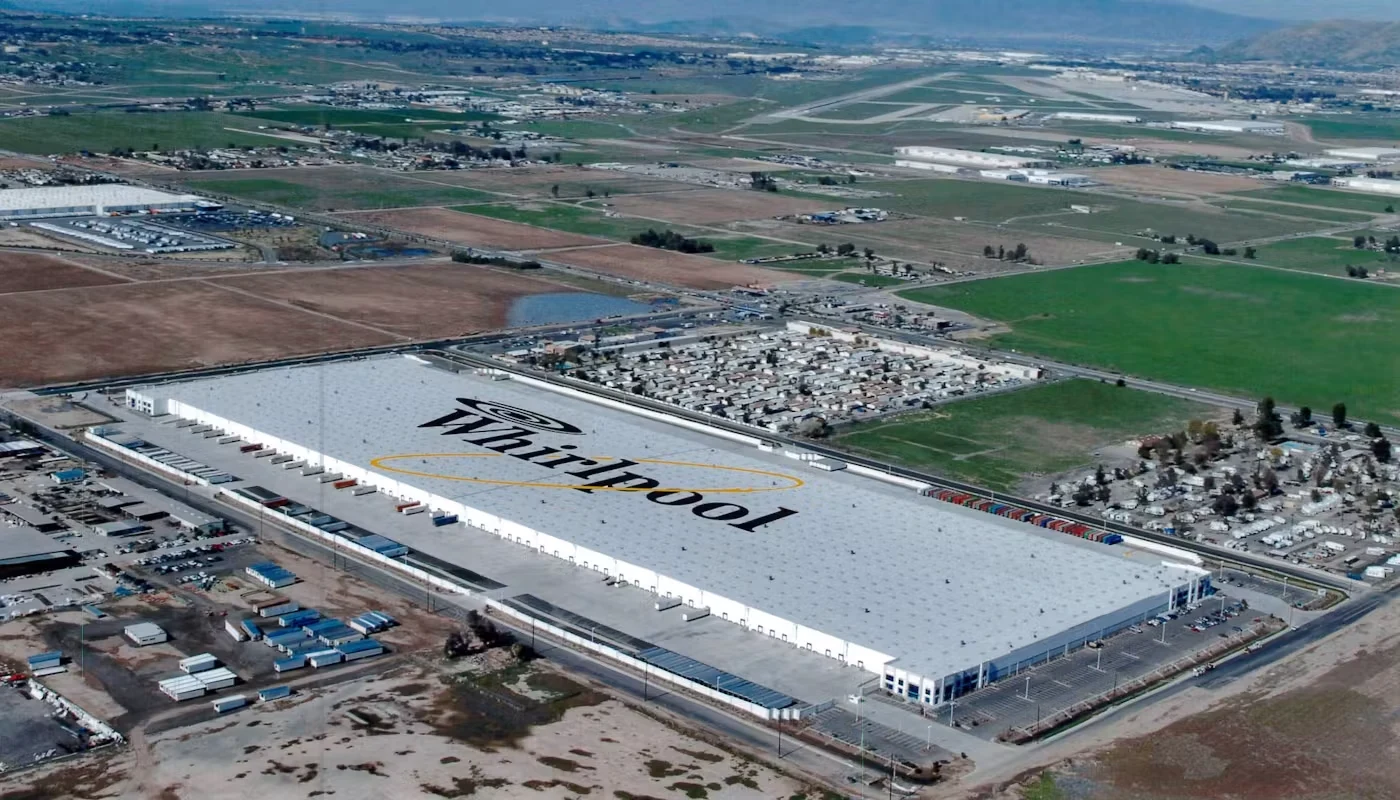
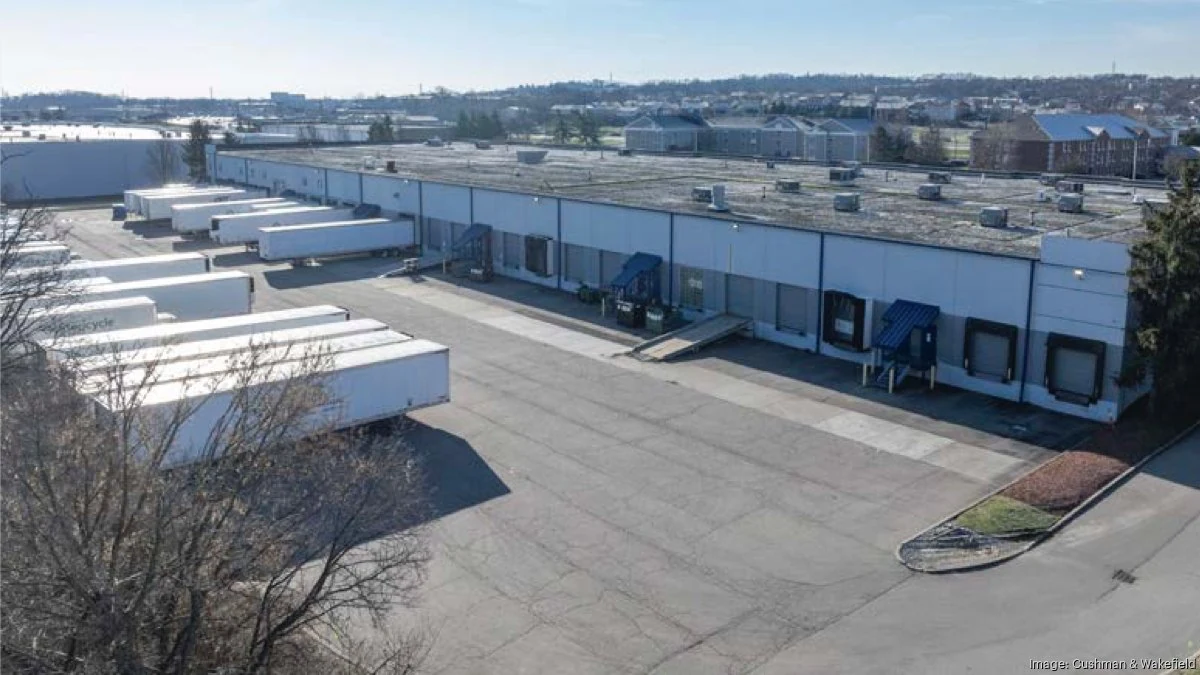
The spec warehouse boom along I-81 hasn't slowed the GCs building it - CenterPoint, Humboldt Industrial Park, and the flex space filling in around Jessup and Olyphant are all still active, and every one of those jobs has a critical-path dry-in date that the rest of the trade sequence depends on. We bid roofing scopes for general contractors on that basis: a schedule commitment we actually hold, backed by a number on a bid form that reflects real crew capacity.
Where Roofing Sits on a Distribution Building's Critical Path
On a new spec warehouse, roofing is one of the trades that can either protect the schedule or blow it. Once steel is up and deck is down, everything downstream - interior fireproofing, electrical rough-in, dry-wall, floor coatings - is waiting on a dry building. We know that from the GC's side of the schedule as much as our own scope, and we price weather contingency and crew size into a bid honestly instead of low-balling a number that turns into change orders once the job hits a rain delay.
We also flag long-lead material items early. Certain membrane thicknesses, insulation R-values, and metal panel profiles carry lead times that can catch a GC off guard if roofing procurement starts late in the sequence - we surface that risk at bid stage, not two weeks before we're supposed to mobilize.
New Construction Dry-In on Tight Timelines
Spec building GCs in this market are usually working against a lease-signing deadline or a developer's carrying-cost clock, and a delayed dry-in cascades into every trade behind us. We staff new-construction roofing crews to match the actual size of the deck being covered, not a crew sized for a smaller job stretched thin across a big one, because that's the difference between hitting a dry-in date and missing it by two weeks.
Tenant Improvement and Retrofit Work Inside Occupied Buildings
Not every GC job here is ground-up. A lot of work in this market is TI build-out inside existing flex and industrial buildings - cutting new roof penetrations for makeup air units, adding curbs for new mechanical equipment, or patching and re-flashing around scope that touches the roof. We coordinate that work with your other trades on site, particularly mechanical contractors setting new rooftop equipment, so penetrations get flashed correctly the first time instead of becoming a warranty dispute six months later.
Weather Windows in a Region That Doesn't Give You Many
NEPA's winter window for roofing work is real and it's shorter than a lot of construction schedules account for. Lake-effect snow bands and sustained cold stretch the season where certain membrane and adhesive systems can't be installed to spec. We build that constraint into our proposed schedule up front rather than agreeing to a start date we know weather will blow through, and where a job absolutely has to move through a cold window, we spec materials and methods rated for it instead of installing outside manufacturer tolerances.
- Schedule commitments backed by crew sizing matched to the actual deck square footage, not a stretched crew
- Long-lead material flagged at bid stage, not discovered mid-schedule
- Coordination with mechanical and electrical trades on every rooftop penetration and curb
- Weather-window planning specific to NEPA's winter roofing constraints
- Manufacturer-backed warranty documentation delivered in a form you can pass through to the owner
- Punch-list turnaround built into the schedule, not treated as an open-ended tail
Warranty and Closeout Documentation That Doesn't Slow You Down
A GC closing out a project needs manufacturer warranty paperwork, as-built roof documentation, and inspection sign-off in a form the owner or developer will actually accept without a back-and-forth. We package that at project closeout rather than making you chase it down weeks after substantial completion, because a slow warranty package is a common way a good roofing job still causes a GC headache at the finish line.
Bonding, Insurance, and Bid Qualification
We carry the coverage and bonding capacity most GCs require to qualify a roofing sub for institutional and larger commercial work in this region, and we're set up to respond to prequalification paperwork without turning it into its own project. If your GC has a standard subcontractor qualification packet, send it - we've filled out enough of them to know what's typically asked.
Questions GCs Ask Before Bringing Us Onto a Job
Can you commit to a hard dry-in date on a new spec building?
Yes, and we price the crew and schedule to actually hit it, including reasonable weather contingency built into the number rather than hidden as a future change order.
How do you handle coordination with mechanical trades setting rooftop units?
We sequence flashing and curb work directly with your mechanical sub's install schedule so penetrations get sealed correctly the first time, rather than working in isolation and hoping it lines up.
What happens if weather pushes our roofing window into winter?
We'll tell you honestly at bid stage what's achievable in a cold-weather install versus what needs to wait, and spec materials rated for the conditions if the schedule truly can't move.
Do you provide documentation we can hand straight to the owner at closeout?
Yes - warranty registration, as-built notes, and inspection sign-off packaged in a form built for handoff, not something we assemble only if asked.
Can you work on a design-build project where the roof spec isn't fully locked at bid time?
Yes, we regularly price roofing scope against a preliminary spec and refine it as design finalizes, flagging early if a direction under consideration would affect lead time or budget.
Ready to review the roof scope?
Request a Roof AssessmentRelated Commercial Roofing