Logistics & 3PL Facility Roofing in Scranton, PA
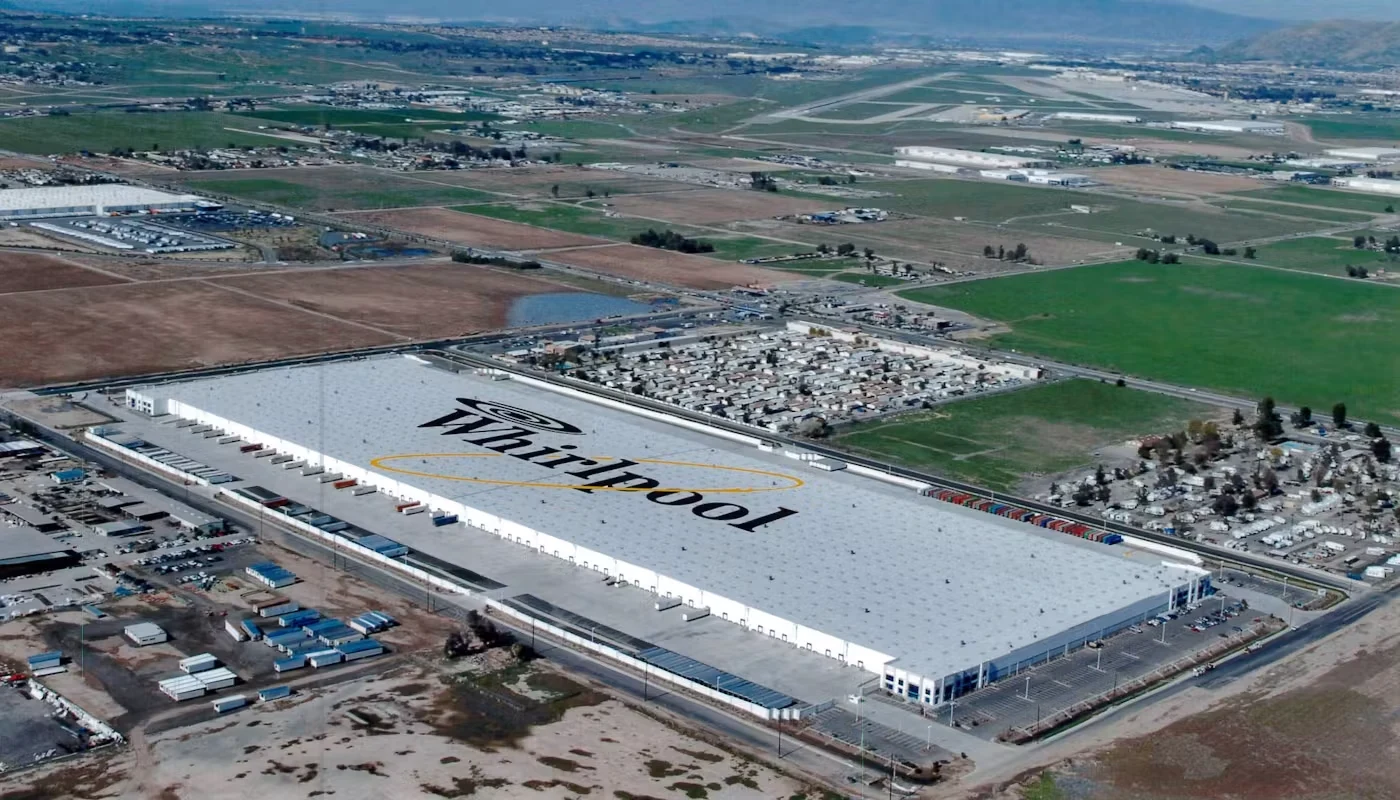
Roofing Decisions for Operators Running Fulfillment Space Along I-81
Northeastern Pennsylvania stopped being a pass-through corridor for freight and became a destination for it. The stretch of I-81 running through Jenkins Township, Pittston, and Hazleton now carries some of the largest cross-dock and fulfillment buildings in the state, and the roofs over them are working assets, not afterthoughts. We build our roofing schedules around what actually keeps a distribution operation running: dock doors, conveyor lines, and shipping windows that don't stop for construction.
Why Facility Managers Here Think About Roofs Differently
A 3PL operator running a 600,000-square-foot cross-dock at CenterPoint Commerce and Trade Park or a fulfillment center off the Humboldt Industrial Park interchange in Hazleton doesn't have the luxury of a slow week. Trailers are staged at the yard around the clock, and every dock door that goes dark for a day is a door that isn't loading. We've priced and phased roof work at facilities where the real ask went beyond a membrane swap: keep every dock door in rotation, with no more than a single shift of downtime on any one door at a time.
That changes how we sequence a job. Instead of tearing off a whole roof section at once, we work in bands tied to the building's internal traffic pattern, moving material staging away from active dock aprons and timing noisy demo work around known low-volume hours when we can get that information from the operator. It's a different kind of planning than a standalone retail box requires, and it's the reason logistics tenants keep calling the same crews back.
Snow Load and Drainage on Buildings This Size
Lake-effect bands off the Great Lakes push heavy, wet snow into the Wyoming Valley most winters, and a million-square-foot roof holds a lot of it. On buildings with internal drains serving huge open bays - common in the newer spec warehouses built out along I-81 and I-476 - a single clogged drain or undersized scupper doesn't just pond water, it can put real structural load on a roof deck that was engineered with a specific drainage plan in mind. We check drain capacity and slope as part of every inspection on a large-footprint building, because on a roof this size, water that isn't going where the engineer intended it to go is the single biggest risk we see.
Ice damming shows up less on these low-slope membrane roofs than it does on pitched retail fronts, but rooftop units, curbs, and penetrations for conveyor exhaust and dust collection all create places where meltwater refreezes and backs up. We flash those transitions to shed water actively rather than relying on the membrane field alone to carry it.
Working Around a Live Conveyor and Sortation System
Rooftop-mounted mechanical units for conveyor cooling, dust collection, and make-up air aren't incidental on a modern fulfillment building - they're tied directly to throughput. We coordinate roof work with a facility's mechanical contractor before we set foot on the roof, because moving or working near an active RTU serving a sortation line without that conversation is how you end up with an unplanned line stoppage that costs the tenant far more than the roof work itself.
- Confirm which rooftop units are load-bearing for active operations before scheduling any deck work near them
- Stage tear-off material and debris away from active dock aprons and trailer queuing lanes
- Sequence work in bands so no more than one operational zone is affected at a time
- Check internal drains and scuppers for capacity relative to the building's actual roof area, beyond code minimums
- Flag any curb or penetration serving conveyor, sortation, or cold-chain equipment for reinforced flashing
- Time noisy demolition around known shift changes and inbound trailer schedules where the operator can share them
Scheduling Around Peak Season
Every 3PL and fulfillment operator in this market knows what October through January looks like. We don't propose starting a reroof or major recover in the weeks leading into peak season, and we build maintenance and inspection schedules to front-load the work - walking roofs, clearing drains, and closing out punch-list repairs before volume ramps, not during it. For buildings running holiday-season overflow contracts, that timing matters as much as the roofing spec itself.
Recover Versus Tear-Off on a Building This Large
On a building measured in hundreds of thousands of square feet, the cost difference between a full tear-off and a recover system installed over sound existing insulation is significant enough that it's usually the first question an operations VP asks. We core-sample the roof to check moisture in the substrate before recommending either path - a recover over a wet deck just traps the problem under a new membrane, and on a building this size that mistake is expensive to unwind. Where the existing roof is dry and structurally sound, a TPO recover gets a facility back to full warranty coverage with far less disruption than a ground-up replacement.
Common Questions From Facility and Operations Managers
Can you actually keep our dock doors operating during a full reroof?
On most large distribution buildings, yes - we phase the work in sections tied to the building's bay layout so active dock zones stay clear. We'll walk the specific floor plan with your operations team before committing to a sequence, because every cross-dock layout routes trailers a little differently.
How do you handle roof access without disrupting security protocols at a bonded or contracted facility?
We coordinate access windows and crew credentialing directly with your facilities or security office ahead of mobilization. Most 3PL sites here run some form of controlled access, and we build that into the schedule rather than treating it as a surprise on day one.
What's the biggest roof risk specific to a NEPA fulfillment building versus one in a milder climate?
Snow load on a very large flat roof combined with drain capacity. A roof engineered correctly for this snow zone still needs its drains and scuppers actually functioning - that's the failure point we see most, not the membrane itself.
Do you work with our third-party property management company or directly with the ownership entity?
Both, depending on how your lease and CAM structure are set up. We're used to routing approvals through a property manager while keeping your on-site operations team informed on scheduling, since they're the ones who feel any disruption first.
Can roof work be scheduled around a specific known volume spike, like a client's product launch?
Yes - tell us the dates you need clear and we'll build the schedule backward from them. We'd rather compress our own timeline than put a facility at risk during a critical volume period.
Ready to review the roof scope?
Request a Roof AssessmentRelated Commercial Roofing