Property Management Roofing Services in Scranton, PA
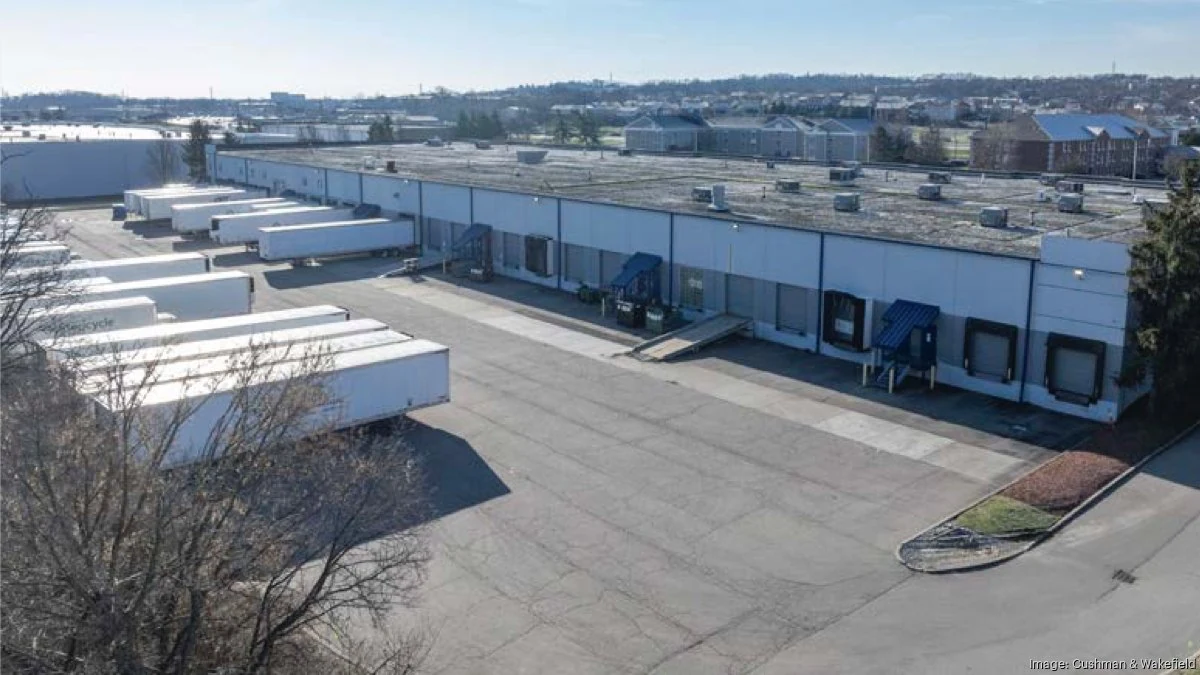
One Roofing Vendor Across a Portfolio Spread Around the Valley
Property managers running a mixed portfolio here aren't dealing with one building - they're juggling a retail strip out on the Dickson City corridor, an office building downtown, maybe a medical office property or a garden-style apartment complex somewhere in between. Every site has its own tenants, its own roof age, and its own set of complaints coming into the work-order system. We work as a single point of contact across that kind of portfolio instead of making you find and manage a different roofer for every building.
Standing Up a Portfolio-Wide Roofing Relationship
When a management firm brings us in across multiple properties, the first thing we do is walk every roof in the portfolio and put it on the same tracking system - age, membrane type, warranty status, and condition, all in one place instead of scattered across whatever records each prior vendor happened to leave behind. That gives you a single view of where the real risk sits across the portfolio, so budget decisions aren't made building by building in a vacuum.
From there, we handle routine inspections, work orders, and emergency calls under one relationship, which means your team isn't re-explaining site access, tenant contacts, and building quirks to a new contractor every time something comes up.
Retail Strips: Scheduling Around Business Hours, Not Around Us
A multi-tenant retail strip has its own set of constraints - parking lot access for customers, storefront awnings and signage tied into the roofline, and tenants who have zero tolerance for construction noise or debris during business hours. We schedule roof work on retail properties around store hours and peak traffic days, keep material staging away from customer parking whenever the lot allows it, and communicate directly with your on-site property manager about what tenants need to know before work starts, not after they've already called to complain.
CAM Budgets and What Actually Belongs in Them
Roof maintenance costs on most commercial leases here flow through CAM, and property managers get pressure from both directions - ownership wanting costs controlled, tenants scrutinizing what's being billed back to them. We itemize roof work clearly enough to defend a CAM charge if a tenant questions it, and we flag up front when something crosses from routine maintenance into a capital repair that shouldn't be run through CAM at all, so you're not the one explaining that distinction to ownership after the fact.
Response Time on Emergency Work Orders
A leak call on a Friday afternoon at a retail property with tenants still open, or a multifamily building with residents dealing with water coming through a ceiling, isn't a Monday problem. We prioritize emergency response for property management clients specifically because a delayed response on an active leak turns a roof repair into a much larger interior damage claim, and that cost eventually lands on the property manager's desk either way.
- Consolidated roof inventory across every property in the portfolio - age, system type, warranty, condition
- Standardized inspection reporting your team can hand straight to ownership without reformatting it
- Priority emergency response for active leaks affecting occupied tenant space
- Clear separation between CAM-billable maintenance and capital repair on every invoice
- Retail and multifamily scheduling planned to fit tenant and resident hours, not contractor convenience
- One point of contact across the whole portfolio instead of a different vendor per site
Medical Office and Multifamily Sites Need Different Handling
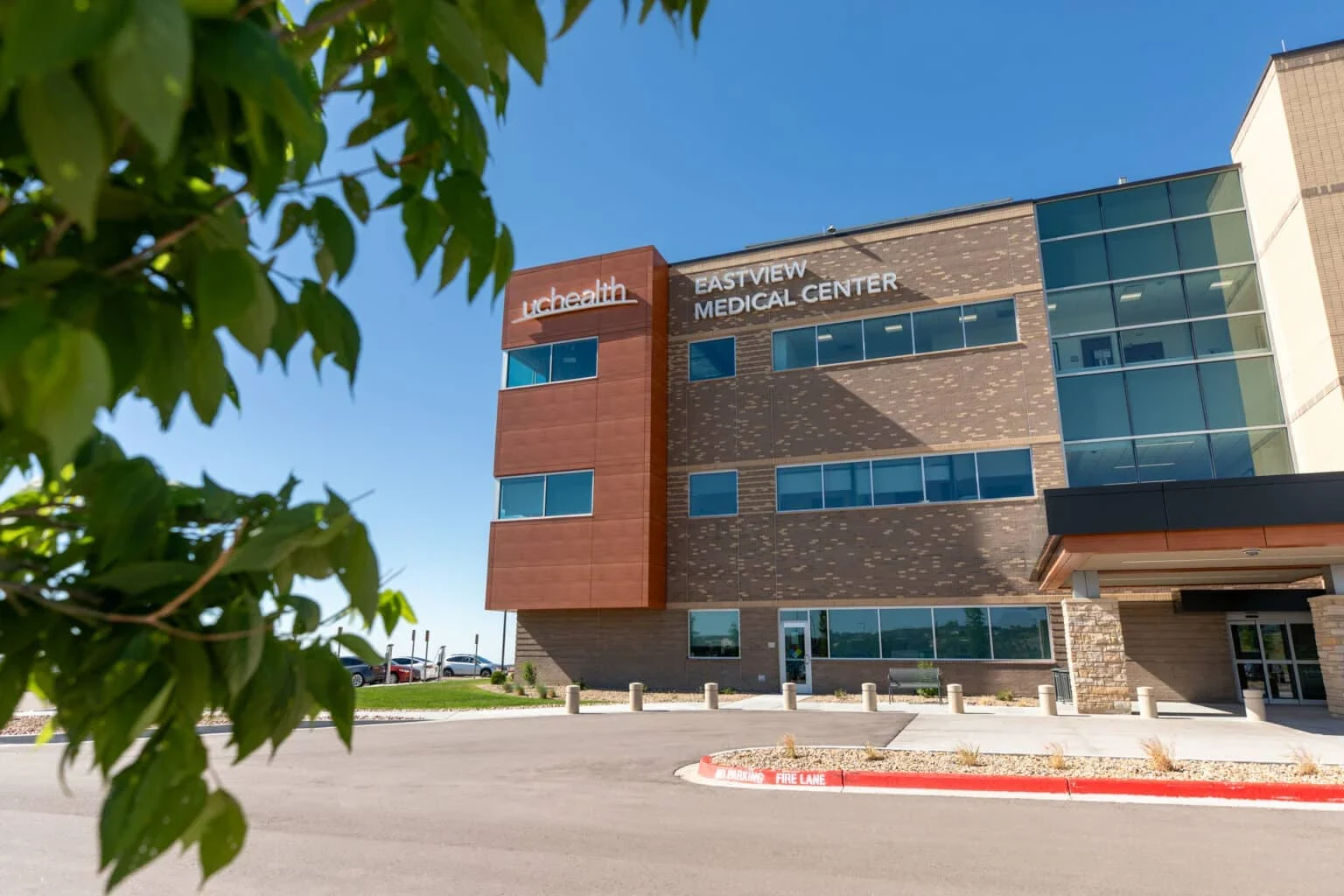
A medical office building's roof issues touch patient scheduling and, occasionally, sensitive equipment below; a multifamily building's roof issues touch residents directly, often with limited notice they can act on. We treat those property types differently from a retail strip or standalone office - more advance notice for residents, quieter scheduling windows around medical office hours, and repair prioritization based on how directly a given unit affects occupants rather than a flat first-come, first-served queue.
Reporting That Survives a Change in Ownership or Staff
Property management contracts change hands, buildings get sold, and staff turns over. We keep roof records - inspection history, warranty documentation, repair logs - attached to the property itself rather than to whoever happened to be managing it at the time, so a new property manager or a new owner inherits a complete history instead of starting from zero.
Questions Property Managers Ask Us Often
Can you service our entire portfolio under one contract instead of site-by-site?
Yes - that's how most of our property management relationships are structured, with a shared inspection schedule and a single point of contact for work orders across every building.
How fast can you respond to an active leak at an occupied property?
We prioritize active leaks over scheduled maintenance and aim to get someone assessing the damage quickly, since a delayed roof response almost always turns into a larger interior claim.
How do you keep roof charges defensible when tenants scrutinize CAM billing?
We itemize work clearly and separate routine maintenance from capital repair on every invoice, so you have documentation ready if a tenant or ownership questions a charge.
Can you work around retail tenants' business hours without them noticing much disruption?
In most cases yes - we plan staging and noisy work phases around your center's peak hours and coordinate directly with your on-site manager so tenants get advance notice.
What happens to our roof records if the property changes management companies or owners?
We keep the history tied to the building, not the contract holder, so whoever manages the property next has a complete record rather than a gap.
Ready to review the roof scope?
Request a Roof AssessmentRelated Commercial Roofing