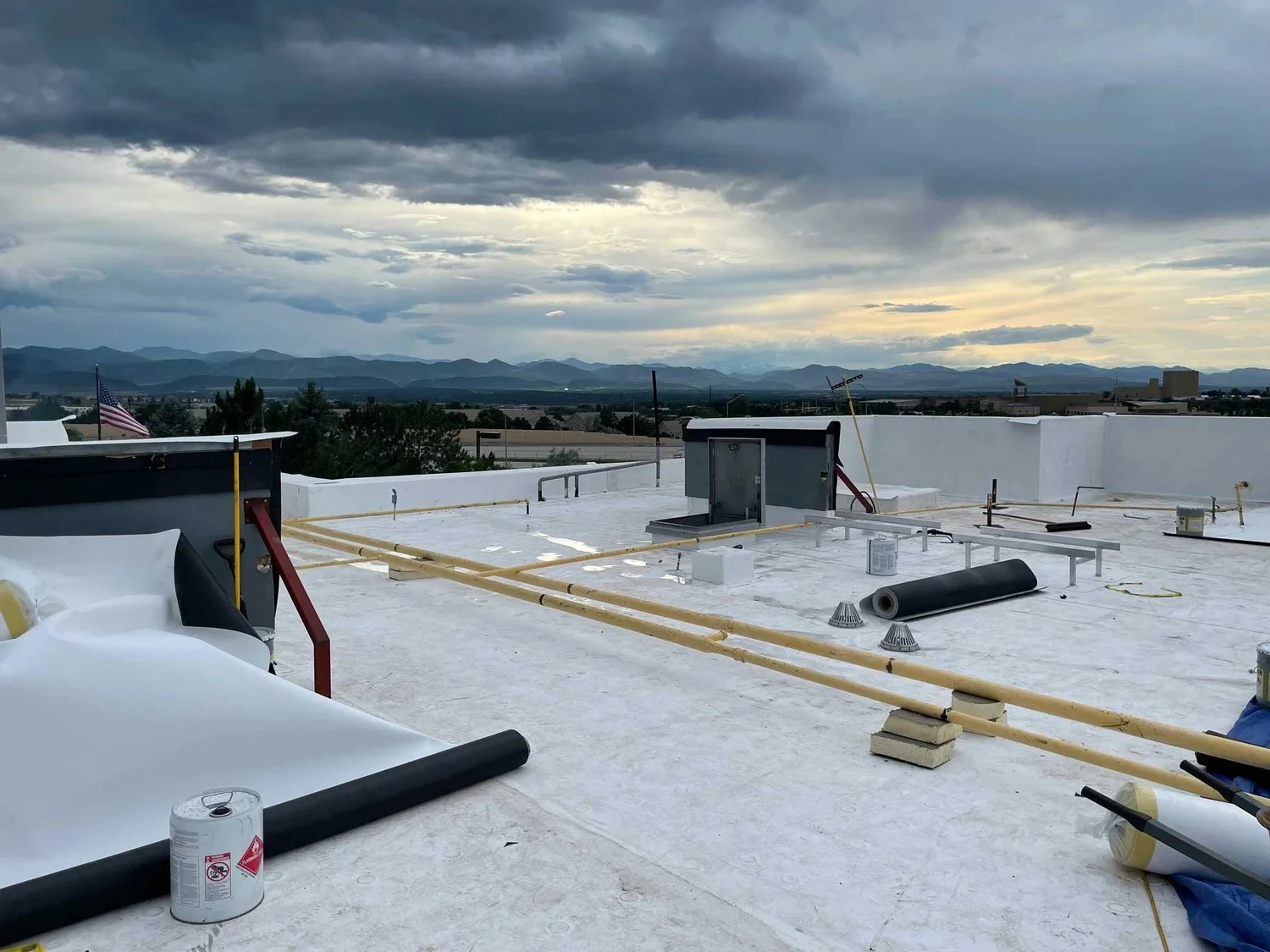
PVC Roofing in Scranton, PA
PVC Roofing for Cold Storage and Grease-Exposed Kitchens
PVC costs more than TPO, and on most warehouse roofs that price gap is not worth it. On a roof exposed to grease, oil, or certain chemicals, though, PVC is often the only single-ply membrane that holds up long term, and that is where we specify it.
Why PVC Fits Cold Storage and Food Distribution Roofs
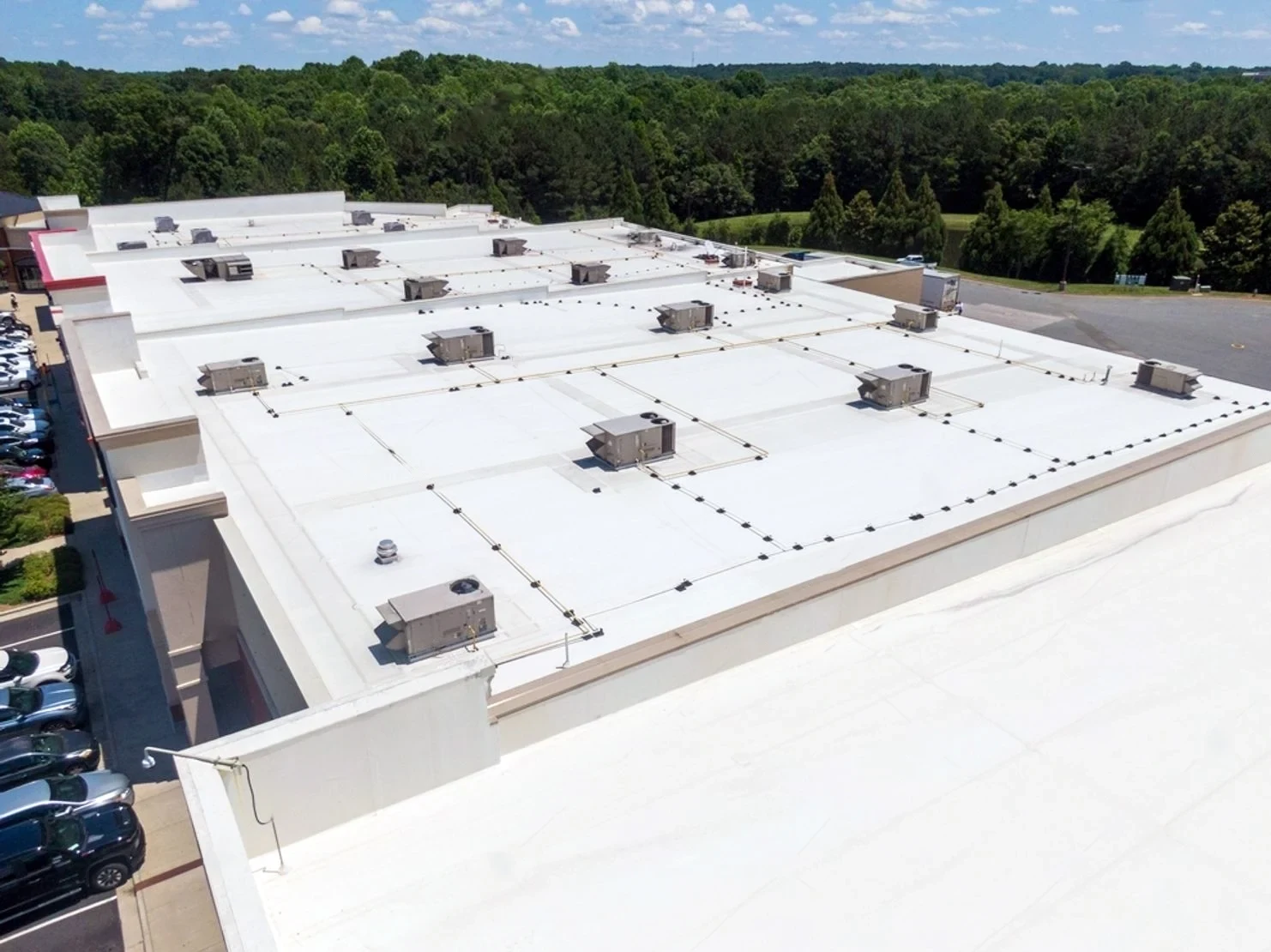
Refrigerated and food-grade distribution buildings along I-81 run rooftop refrigeration equipment constantly, and that equipment leaks small amounts of oil and refrigerant compound over time. TPO membrane can soften and degrade under sustained contact with those substances. PVC's chemistry resists that degradation, which is the entire reason it exists as a separate product line rather than just being marketed as premium TPO.
Cold storage roofs also deal with heavy condensation cycling at rooftop unit curbs, where warm exterior air meets a cold building envelope. PVC's seam strength holds up better around that repeated moisture cycling than adhesive-lapped alternatives.
A cold storage building in this market carries real consequences when the roof fails. A leak over refrigerated inventory means product loss, well beyond a wet ceiling tile, and that changes how much risk a facility manager is willing to accept on membrane selection compared to a dry-goods warehouse two doors down.
Grease and Oil Exposure Near Kitchen Exhaust
Any building with a commercial kitchen exhaust system, whether it is a restaurant, a hospital cafeteria, or a food court inside a retail building near Dickson City, deposits grease-laden condensate on the roof surface downwind of the exhaust fan. Over months and years that grease film breaks down membranes that were not built to resist it.
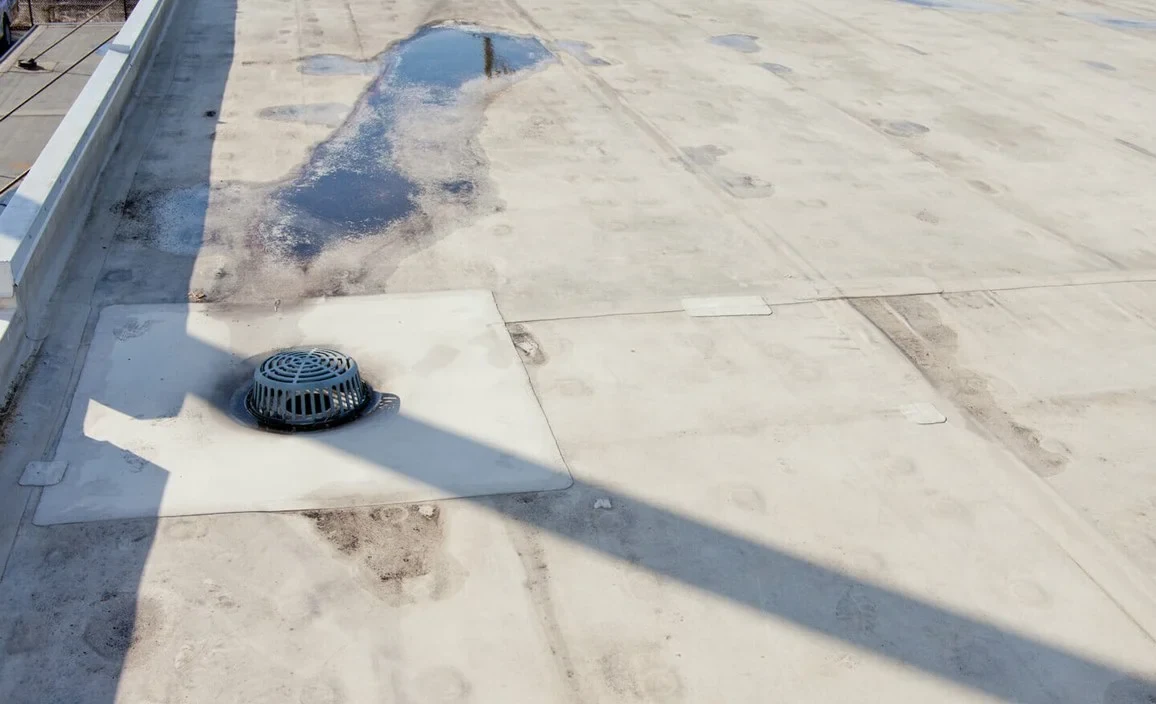
We see the damage pattern constantly: a roof that looks fine everywhere except a discolored, softened patch directly behind the kitchen exhaust hood. PVC in that zone, or across the whole roof if the exposure is widespread, avoids that specific failure mode entirely.
Heat-Welded Seams and Long-Term Membrane Integrity
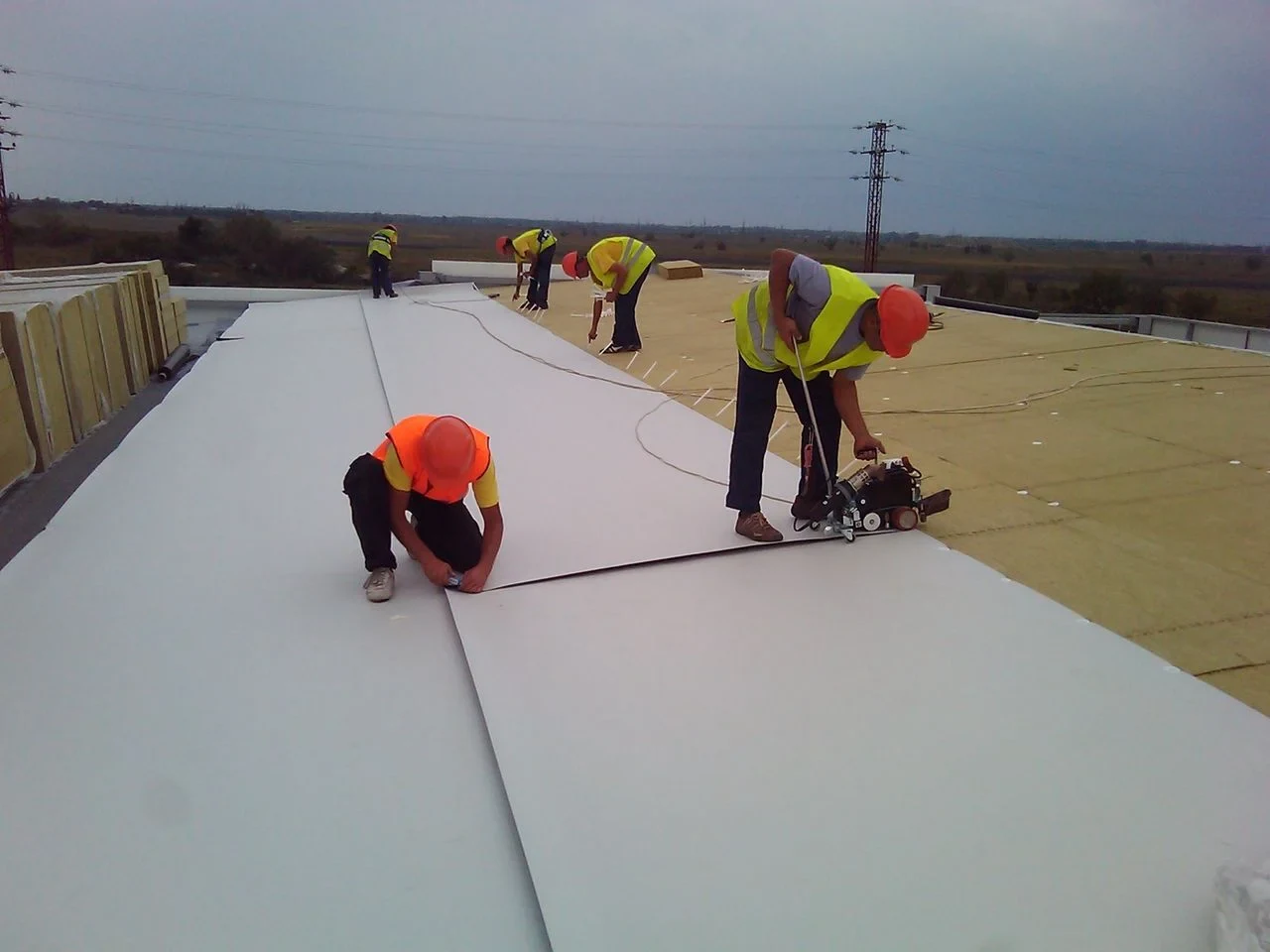
Like TPO, PVC seams are hot-air welded rather than glued, which gives a continuous bond across the sheet rather than a lap joint that can peel open under UV and thermal stress over the years. We probe every seam after welding, not a sample percentage, because a weld failure on a food-grade facility roof creates contamination risk downstairs, beyond a simple maintenance headache.
PVC also tolerates repeated hot-air welding during future repairs better than some alternatives, which matters on a roof that will likely see equipment changes and re-flashing work over its service life.
Reflective Membrane on Refrigerated Buildings
White PVC's high reflectivity reduces rooftop heat gain on a refrigerated distribution building, which translates directly into lower compressor run time. On a building where refrigeration is the largest single utility cost, that reflectivity is not a minor detail, it is part of the operating budget.
We factor this into recommendations for any cold storage client along the corridor, weighing the higher material cost of PVC against the compressor savings and reduced membrane degradation risk over the life of the roof.
Insulation strategy matters just as much as membrane color on these buildings. We look at how the insulation package performs against the specific interior temperature the building holds, whether that is a 34-degree grocery cooler or a sub-zero freezer facility, because the roof assembly has to manage a much bigger temperature differential than a standard warehouse ever sees.
Where We See PVC Fail Early
PVC is not the right call for every building, and installing it where it is not needed just adds cost without benefit. Situations where we typically steer clients toward a different membrane instead:
- Standard dry warehouse space with no grease, oil, or chemical exposure
- Budget-constrained projects where TPO meets the actual exposure conditions
- Roofs with heavy foot traffic where plasticizer migration over decades could become a factor
- Buildings with a shorter ownership horizon where the premium cost is hard to justify
- Applications where a contractor installs incompatible flashing materials that react poorly with PVC chemistry
Matching the membrane to the actual exposure the roof will see is the whole job. A roof over a grocery distribution facility near a truck fueling area gets a different recommendation than a roof over dry general merchandise storage two buildings down.
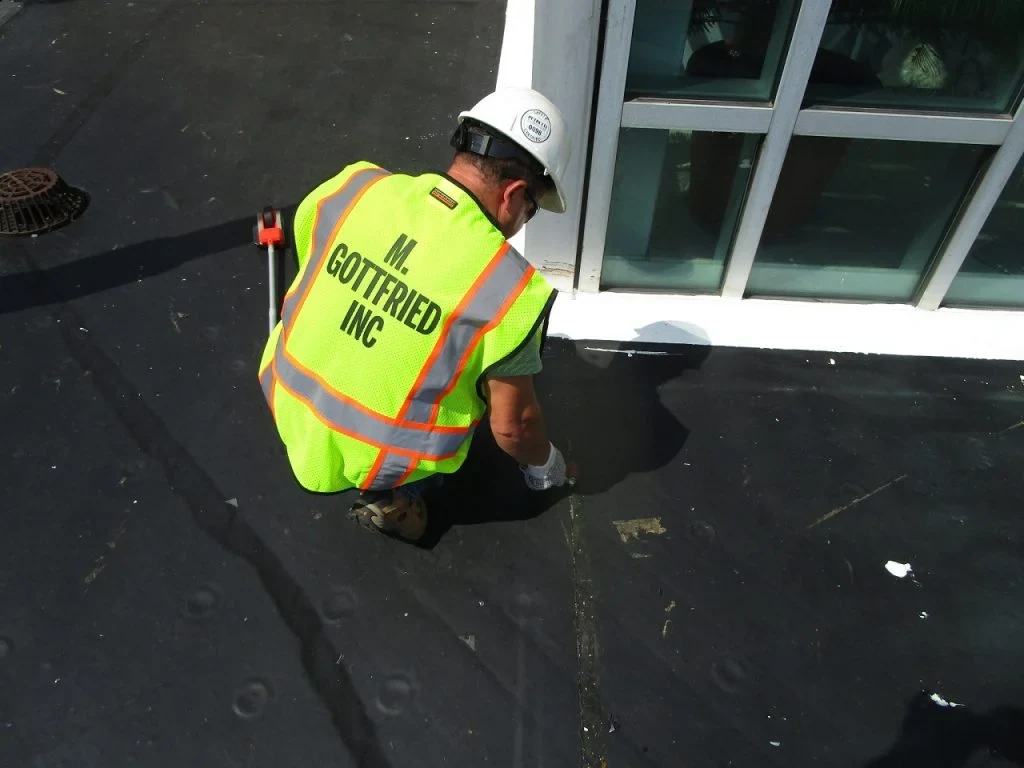
We walk every roof before quoting rather than pricing off a floor plan, specifically to catch exposure sources that would not show up in a building description. A rooftop grease trap vent, a nearby loading area where fuel fumes settle, or a shared exhaust stack from a neighboring tenant can all change the membrane recommendation.
PVC Roofing Questions From Facility Managers
Is PVC worth the extra cost over TPO for a standard warehouse?
Usually not, if there is no grease, oil, or chemical exposure on the roof. We tell clients directly when TPO is the better value for their specific building.
How does PVC hold up against rooftop refrigeration equipment leaks?
Significantly better than TPO. PVC's chemical resistance is built specifically to handle oil and refrigerant contact without the membrane softening or degrading.
Can PVC be installed over an existing roof without full tear-off?
Sometimes, depending on the condition of the existing deck and insulation. We evaluate that on a case-by-case basis after inspection, not as a default recommendation.
Does PVC hold up in this region's winter weather?
Yes, it performs well across the temperature swings and freeze-thaw cycles typical of Northeastern Pennsylvania winters, similar to TPO in that respect.
How do you handle repairs on a PVC roof years after installation?
The same heat-welding process used for original installation applies to repairs, which is part of why PVC ages well compared to adhesive-based systems that lose bond strength over time.
Ready to review the roof scope?
Request a Roof AssessmentRelated Commercial Roofing