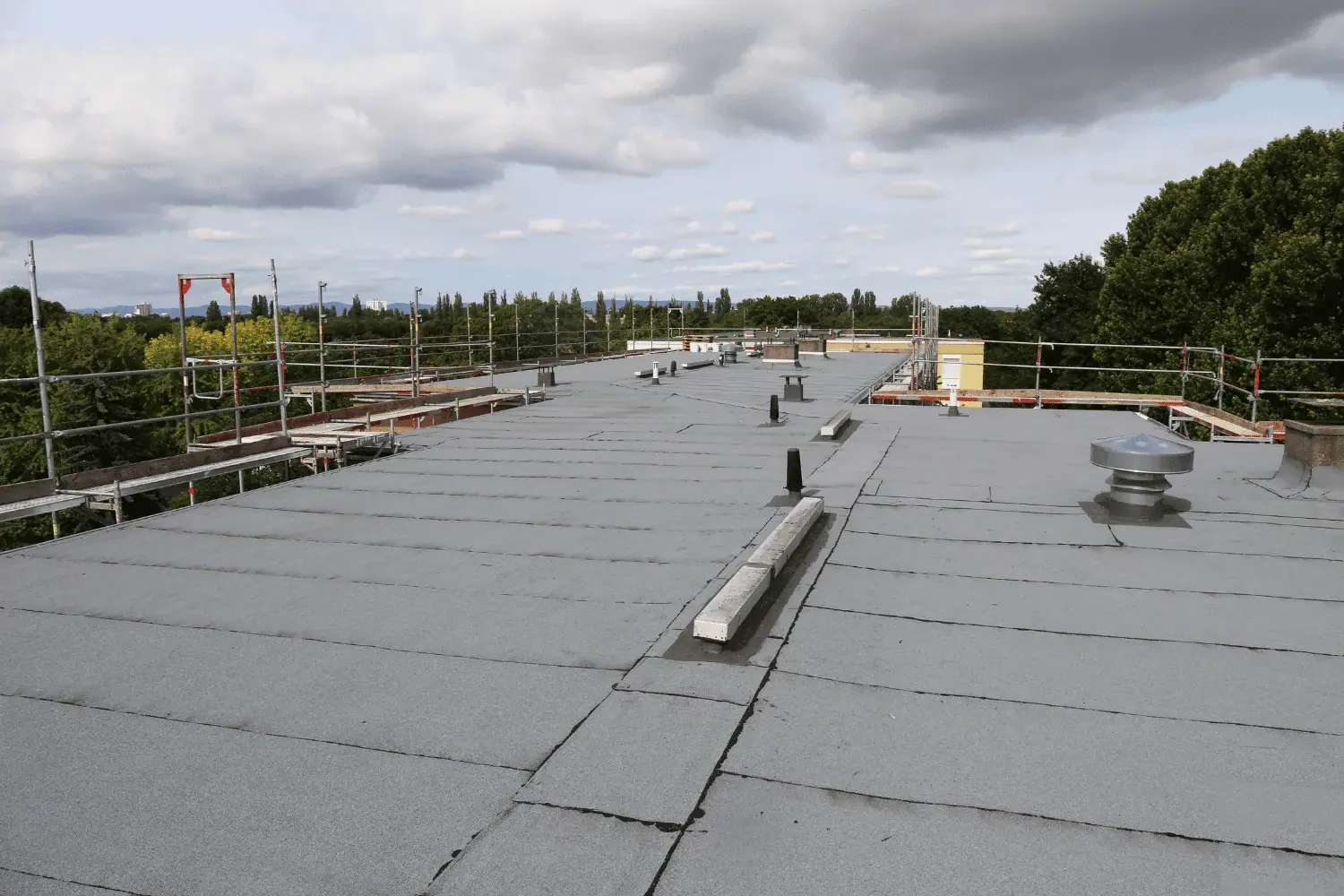
60-Mil TPO Roofing in Scranton, PA
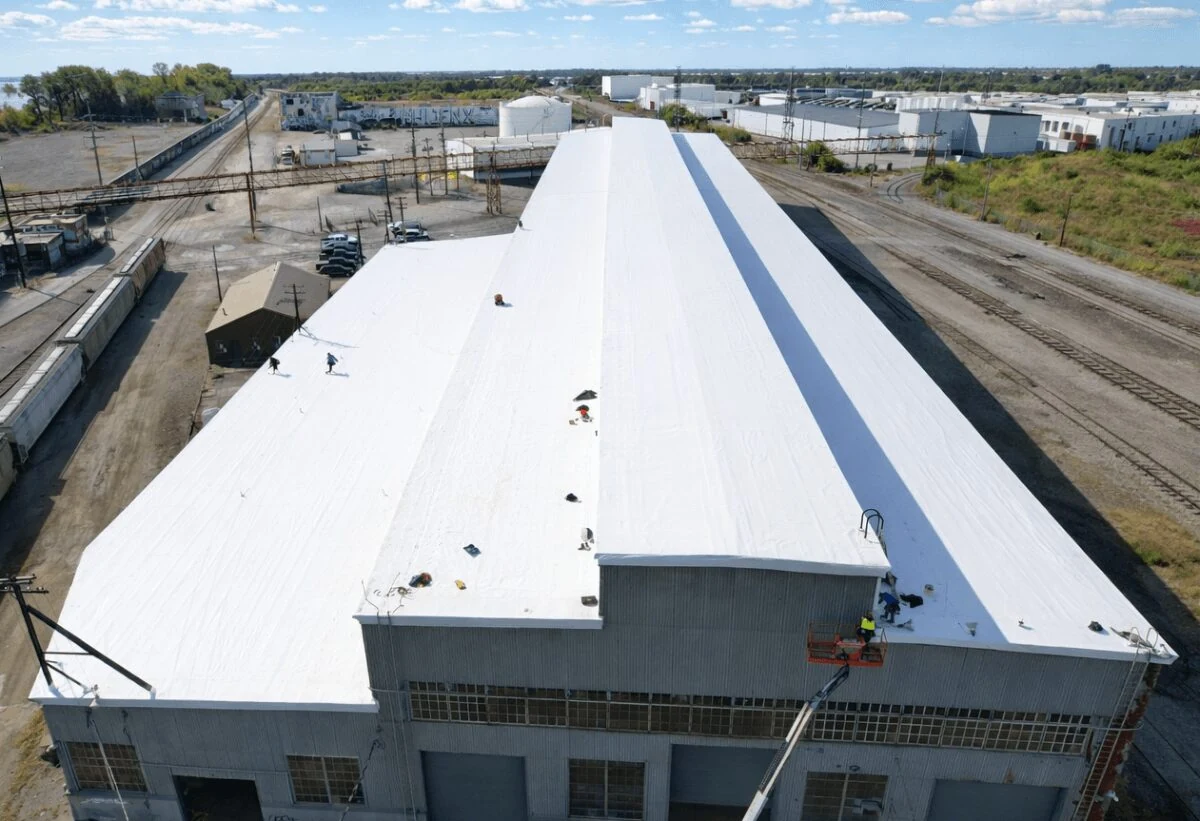
60-Mil TPO for Scranton-Area Flex and Office Roofs
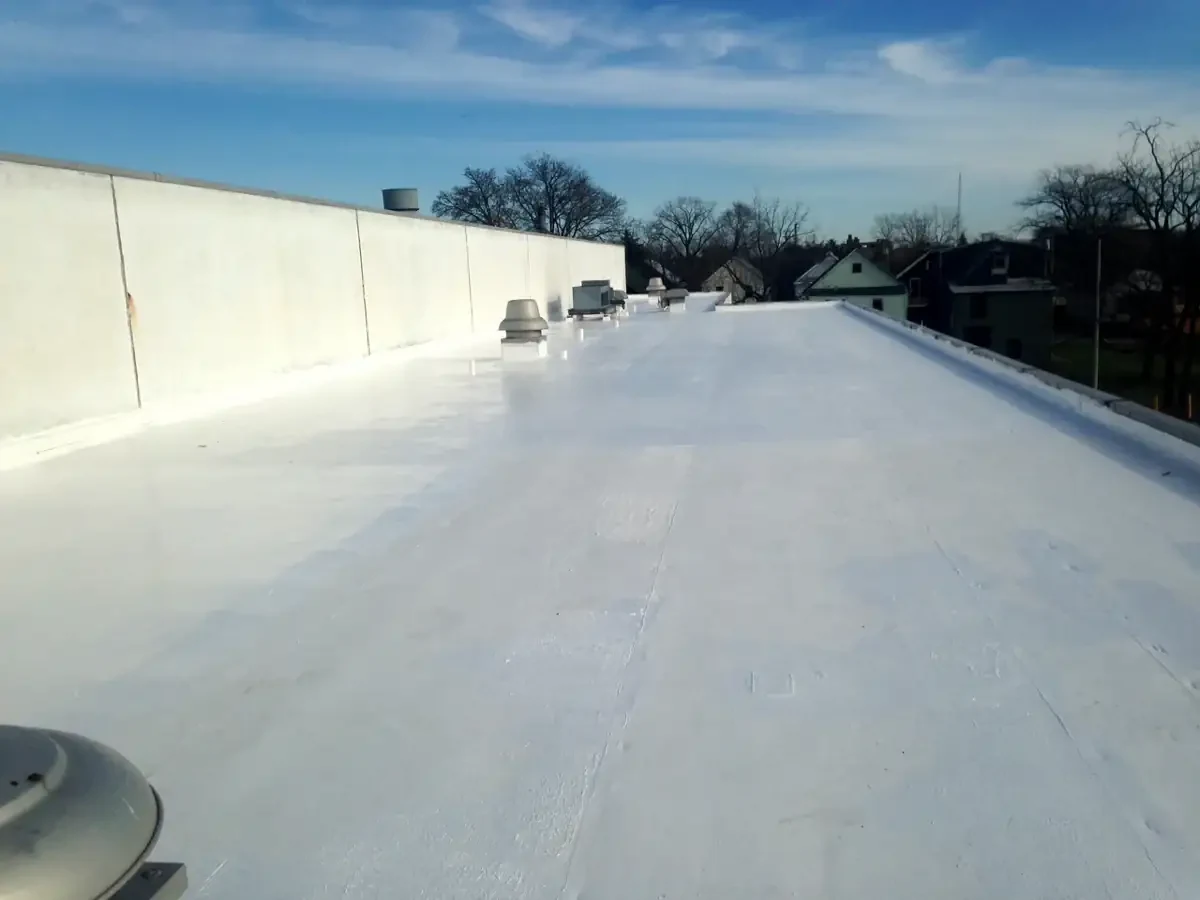
Sixty-mil TPO is the gauge we spec most often on the smaller flex buildings and office parks around Scranton and Wilkes-Barre, the roofs that don't carry the traffic or rooftop equipment load of a million-square-foot fulfillment center further up I-81. It's the entry gauge across every major single-ply manufacturer's line, and on the right building it's the correct call rather than the cheap one.
Where 60-Mil Earns Its Spot in a NEPA Bid
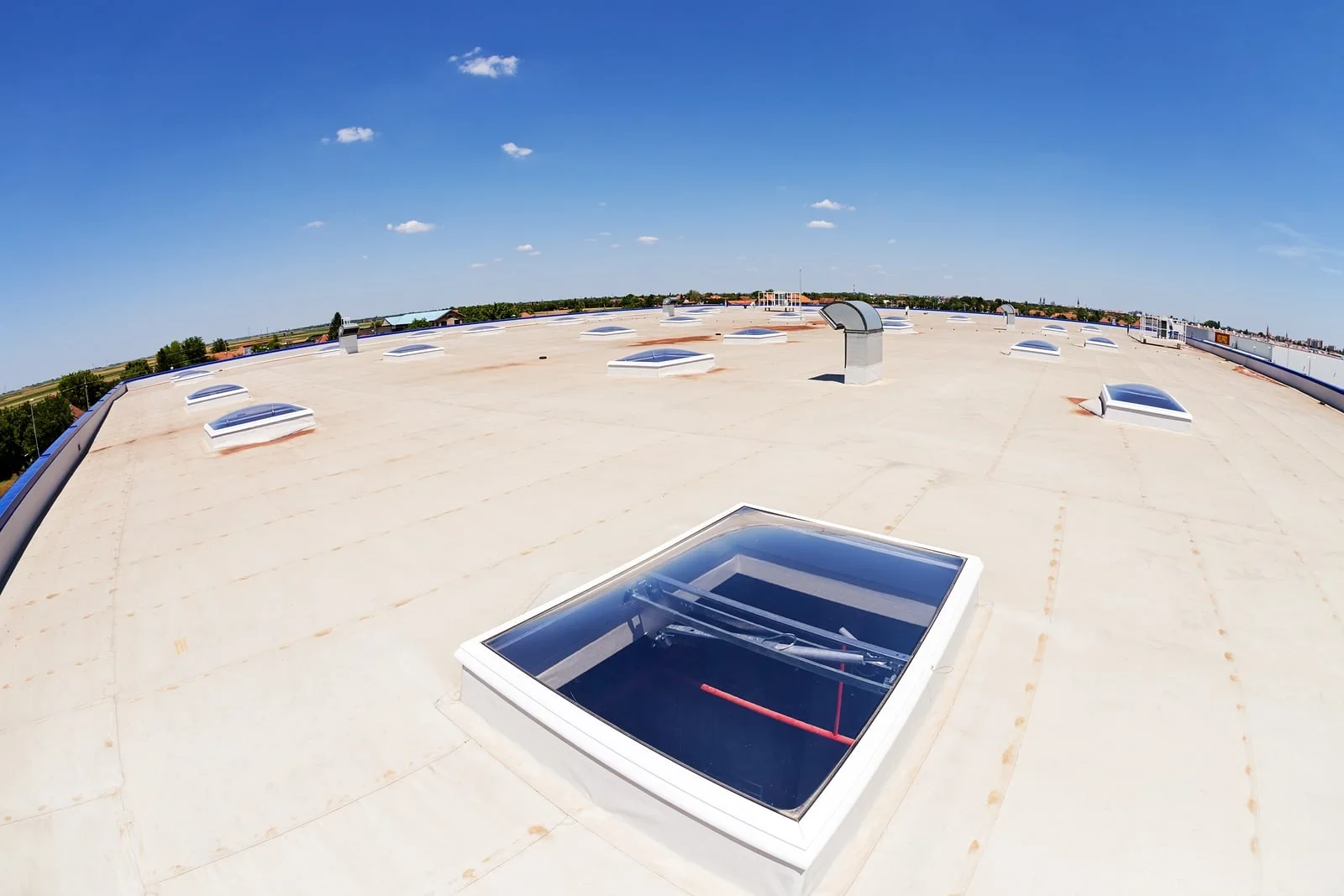
We land on 60-mil TPO most often at business parks like Valley View in Jessup, Hanover Industrial Estates, and the smaller flex buildings through Taylor's Stauffer Industrial Park - buildings with light rooftop equipment, predictable foot traffic, and decks that don't need the extra puncture margin of a heavier membrane. A single-story office building off Route 6 in Clarks Summit or a professional building in Kingston fits the same profile.
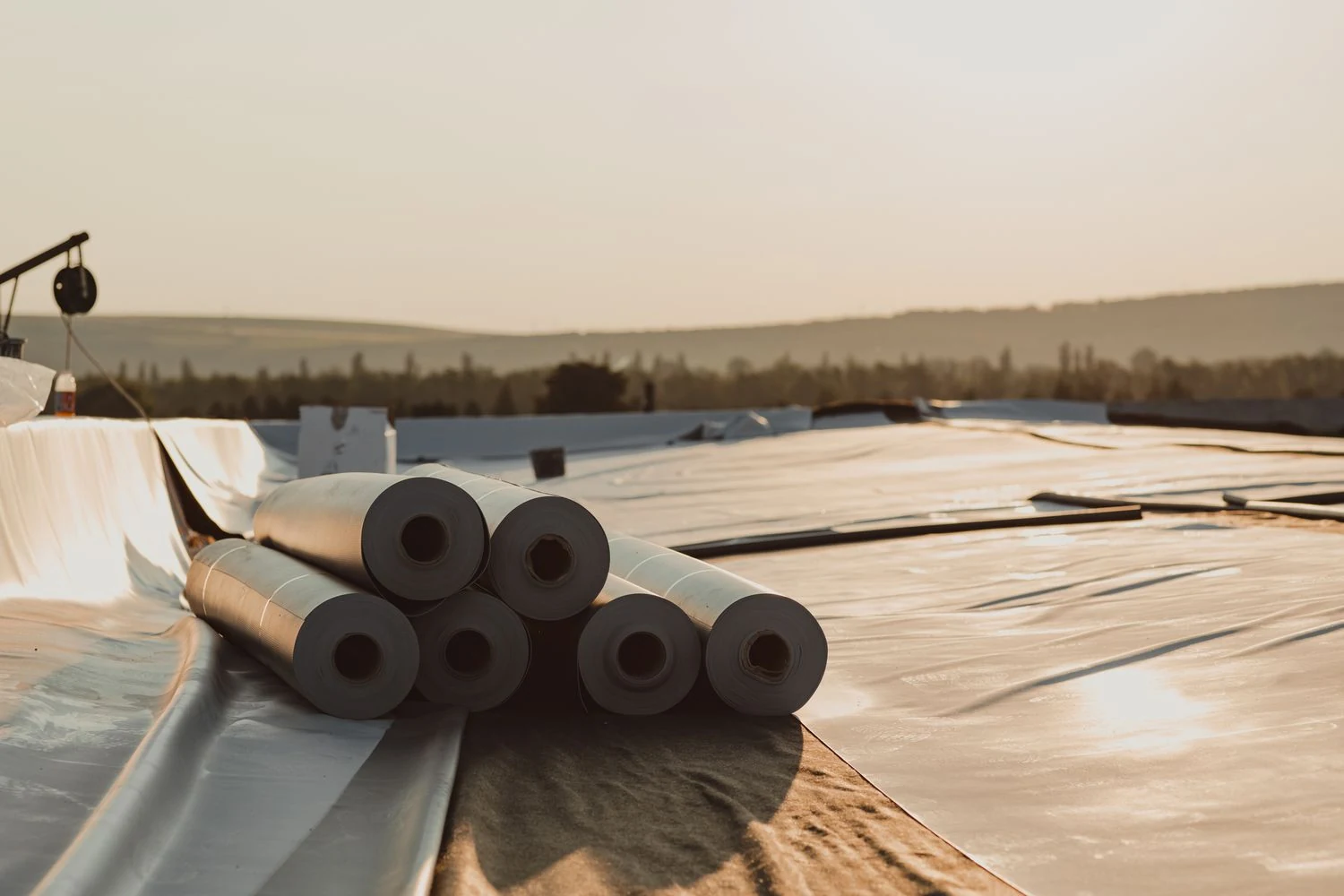
The membrane ships as a 10-foot-wide sheet, hot-air welded at roughly 1.5-inch seams, and run mechanically attached or fully adhered depending on deck type and wind exposure. On steel deck with a standard fastening pattern, 60-mil gives us enough membrane to work with without paying for gauge the building doesn't need.
Seam Welding in Cold-Weather Install Windows
NEPA's install season narrows fast once temperatures drop below the manufacturer's minimum for hot-air welding, and we plan seam work around that window instead of pushing a weld in marginal cold. A seam welded too cold looks fine on the day it goes in and fails a couple winters later, usually right when a freeze-thaw cycle works water into a weak spot.
We test-weld and probe every seam on site before calling a section closed, checking weld width and cohesion rather than trusting the welder's temperature gauge alone. On a 60-mil roof, seam integrity carries more of the waterproofing job than membrane thickness does, since the membrane field itself rarely fails first.
Mechanically Attached vs Fully Adhered on Steel Deck
Wind uplift resistance is the main variable between the two attachment methods, and exposure changes site to site - a flex building on open ground near Mountain Top's Crestwood Industrial Park sees different wind loading than a low building tucked between neighbors in downtown Carbondale. We calculate the fastening pattern or adhesive rate off the site's actual exposure, not a generic spec sheet number.
Mechanically attached systems install faster and cost less, which matters on a reroof where a tenant needs the building back in operation quickly. Fully adhered systems handle uplift better on taller or more exposed structures and give a smoother finished field for buildings that will carry rooftop solar or heavier foot traffic later.
- Single-story flex or office building with light rooftop equipment
- Steel deck in good condition with a standard fastening pattern
- Predictable foot traffic, no plans for added rooftop mechanical load
- Budget-conscious reroof where the site's exposure doesn't justify 80-mil's added cost
- Building not sitting downwind of a taller structure that piles drift against it
Where We Step Up the Gauge Instead
The line we watch closest is rooftop equipment density and snow-drift exposure. A flex building gains a second HVAC unit, or sits downwind of a taller neighbor that piles drift against a parapet through a NEPA winter, and 60-mil starts looking thin for the site conditions even though the base membrane chemistry hasn't changed.
For those buildings we move up to 80-mil TPO, covered in more detail on our 80-mil TPO page. The decision isn't about upselling gauge across every bid - it's matching membrane thickness to what the specific roof actually deals with.
Walkway Pads and Rooftop Access Protection
Sixty-mil roofs still take regular foot traffic from HVAC service calls, gutter cleaning, and periodic inspections, and that traffic concentrates along the same paths visit after visit. We map the route a technician actually walks to reach rooftop equipment and lay reinforced walkway pads along it rather than leave bare membrane to absorb years of boot traffic and dropped tools at the same few square feet.
On flex buildings around Olyphant and Throop where tenants sometimes bring in their own contractors for signage or antenna work without coordinating with us first, walkway pads also mark a visible path that discourages foot traffic from wandering across unprotected membrane. It's a small addition to the install cost that pays back in fewer accidental punctures over the roof's service life.
Sixty-Mil TPO, Answered
Is 60-mil TPO durable enough for a Scranton winter?
Yes, for the building types we spec it on - light equipment load, standard foot traffic, steel deck in good condition. The membrane chemistry is the same across TPO gauges; thickness affects puncture and impact margin more than cold-weather performance.
Does 60-mil TPO cost less than 80-mil?
Generally yes, in both material cost and often labor, since a thinner membrane is easier to handle. The savings only make sense if the building's exposure and equipment load don't call for the extra gauge.
Can 60-mil TPO be installed as a recover over an existing roof?
In some cases, if the existing roof passes a moisture scan and the deck is sound. We evaluate recover eligibility on site rather than assuming it from the roof's age alone.
How long does a properly welded 60-mil TPO seam last?
Membrane manufacturers typically back 60-mil TPO systems with extended warranty terms when installed by a certified applicator, though exact length depends on the manufacturer, installer status, and system configuration at time of bid.
What voids a TPO warranty fastest?
Unauthorized rooftop penetrations added after installation and ponding water left unaddressed are the two issues we see cause warranty problems most often, regardless of membrane gauge.
Ready to review the roof scope?
Request a Roof AssessmentRelated Commercial Roofing